

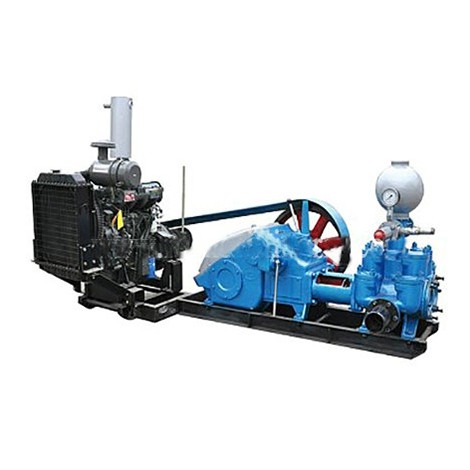
As a supplier of the BW850 mud pump, I understand the importance of proper storage when the pump is not in use. The BW850 mud pump is a robust and reliable piece of equipment commonly used in various drilling operations, such as water well drilling and geological exploration. In this blog post, I will share some scientific and practical tips on how to store the BW850 mud pump to ensure its longevity and optimal performance when it's time to use it again.

1. Cleaning the Pump
Before storing the BW850 mud pump, a thorough cleaning is essential. Mud, debris, and other contaminants can cause corrosion and damage to the pump's components over time.
- External Cleaning: Use a high - pressure water hose to remove any mud or dirt from the exterior of the pump. Pay special attention to areas where mud can accumulate, such as around the pump housing, valves, and fittings. For stubborn stains, a mild detergent can be used, but make sure to rinse it off completely.
- Internal Cleaning: Flush the pump with clean water to remove any remaining mud or slurry inside the pump. Run the pump for a few minutes with clean water to ensure that all the internal passages are clear. If possible, disassemble the pump and clean each component individually, especially the pistons, cylinders, and valves. This will prevent the build - up of hardened mud that can cause wear and tear.
2. Lubrication
Proper lubrication is crucial for protecting the moving parts of the BW850 mud pump during storage.
- Engine and Transmission: Check the oil levels in the engine and transmission and top them up if necessary. Use high - quality lubricants recommended by the manufacturer. Change the oil if it has been used for a long time or if it appears dirty.
- Pump Components: Apply a thin layer of lubricant to the pistons, cylinders, and other moving parts. This will prevent rust and corrosion and ensure smooth operation when the pump is put back into use. Make sure to use a lubricant that is compatible with the materials of the pump components.
3. Corrosion Prevention
Corrosion can significantly reduce the lifespan of the BW850 mud pump. To prevent corrosion, take the following steps:
- Coating: Apply a corrosion - resistant coating to the exposed metal parts of the pump. There are various types of coatings available, such as epoxy coatings and zinc - rich primers. These coatings will create a barrier between the metal and the environment, preventing moisture and oxygen from causing corrosion.
- Desiccant Placement: Place desiccant packs inside the pump housing or storage container. Desiccants absorb moisture from the air, reducing the humidity level and preventing rust formation. Replace the desiccant packs regularly to ensure their effectiveness.
4. Storage Location
Choosing the right storage location is vital for the protection of the BW850 mud pump.
- Indoor Storage: Whenever possible, store the pump indoors in a dry, clean, and well - ventilated area. This will protect the pump from the elements, such as rain, snow, and extreme temperatures. An indoor storage facility also reduces the risk of vandalism and theft.
- Elevated Surface: Place the pump on an elevated surface, such as a pallet or a stand. This will prevent the pump from sitting in water or moisture that may accumulate on the floor. It also allows for better air circulation around the pump.
5. Sealing and Protection
To further protect the BW850 mud pump during storage, it's important to seal and protect certain components.
- Inlet and Outlet Ports: Seal the inlet and outlet ports of the pump with plastic caps or covers. This will prevent dust, dirt, and insects from entering the pump and causing damage.
- Electrical Components: If the pump has electrical components, such as motors or control panels, cover them with a waterproof and dust - proof cover. Make sure to disconnect the power supply before storage to avoid any electrical hazards.
6. Regular Inspections
Even during storage, the BW850 mud pump should be inspected regularly.
- Visual Inspections: Conduct visual inspections at least once a month to check for any signs of damage, corrosion, or leakage. Look for rust spots, cracks, or loose fittings. If any issues are detected, address them immediately to prevent further damage.
- Functional Checks: Periodically perform functional checks on the pump, such as turning the engine over (if applicable) and checking the operation of the valves. This will ensure that the pump is still in good working condition and ready to be used when needed.
7. Documentation
Keep detailed records of the storage process, including the date of storage, the cleaning and maintenance procedures performed, and any inspection results. This documentation will be useful when it's time to bring the pump back into service, as it will provide a history of the pump's condition during storage.
In addition to the BW850 mud pump, we also offer a wide range of other mud pumps, such as the Mud Pump For Water Well Drilling, BW200 Mud Pump, and Piston Mud Pump. These pumps are designed to meet the diverse needs of different drilling applications.
If you are interested in purchasing a mud pump or have any questions about storage or maintenance, please feel free to contact us. We are always ready to provide you with professional advice and high - quality products.
References
- Manufacturer's manual for the BW850 mud pump.
- Industry standards and best practices for mud pump storage and maintenance.