

Hey there! As a mud pump supplier, I get asked a lot about the noise levels of our mud pumps. It's an important topic, especially for those working in environments where noise can be a real concern. So, let's dive into what the noise level of a mud pump actually is and what factors can affect it.
First off, what exactly is a mud pump? Well, in simple terms, a mud pump is a crucial piece of equipment used in drilling operations. It's responsible for circulating drilling mud, which helps in cooling the drill bit, removing cuttings from the borehole, and maintaining pressure. Now, when these pumps are in action, they do produce some amount of noise.
The noise level of a mud pump can vary quite a bit depending on several factors. One of the main factors is the size and power of the pump. Generally speaking, larger and more powerful mud pumps tend to be louder. For example, our BW1200/7 Mud Pump, which is a high - powered pump designed for heavy - duty drilling tasks, might produce a higher noise level compared to our smaller models like the BW160 Mud Pump.

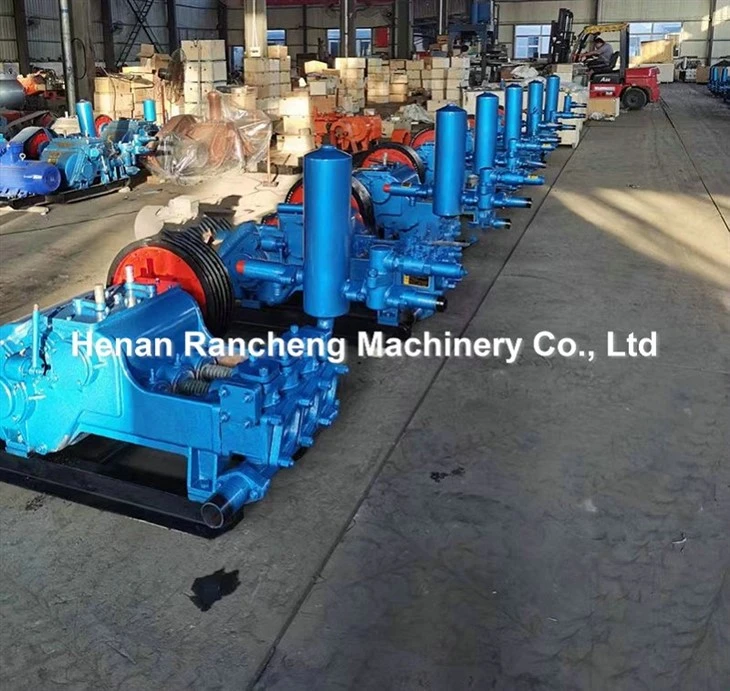
The operating conditions also play a huge role. If a mud pump is running at high speeds and under heavy loads, it's going to generate more noise. Think of it like a car engine. When you floor the gas pedal, the engine roars louder. Similarly, when a mud pump is working overtime, it makes more noise. Factors like the viscosity of the drilling mud can also impact noise. Thicker mud requires more power to pump, which can lead to increased noise levels.
Another contributor to the noise is the mechanical design of the pump. Pumps with older or less efficient designs may have more rattling, vibration, and overall noise. This is why at our company, we invest a lot in research and development to come up with more quiet and efficient pump designs. For example, we have incorporated advanced damping materials and vibration - reducing mechanisms in our BW600 Mud Pump, which helps in keeping the noise in check.
Now, how do we measure the noise level of a mud pump? Usually, we use a decibel (dB) meter. Different models of mud pumps can have noise levels ranging from around 70 dB to over 90 dB. To put this into perspective, normal conversation is around 60 dB, and a lawnmower can produce around 90 dB of noise. So, a mud pump can be quite noisy, especially when it's operating at full capacity.
In some workplaces, high noise levels can be a safety hazard. Prolonged exposure to high - decibel noise can lead to hearing loss and other health problems. That's why it's important to take measures to control the noise. One way is to use sound - insulating enclosures around the pump. These enclosures can absorb and reflect the sound waves, reducing the amount of noise that escapes into the surrounding environment.
We also recommend that operators wear appropriate hearing protection when working near mud pumps. Earplugs or earmuffs can significantly reduce the impact of the noise on their hearing. Additionally, regular maintenance of the mud pumps is essential. A well - maintained pump runs more smoothly and quietly. Simple things like tightening loose bolts, lubricating moving parts, and replacing worn - out components can make a big difference in noise reduction.
So, if you're in the market for a mud pump and noise is a concern for you, don't worry. We've got a range of pumps to suit different needs. Whether you need a small, quiet pump for a less demanding job or a powerful one for heavy - duty drilling, we can help. Our team of experts can provide you with detailed information about the noise levels of each pump model and offer suggestions on how to manage noise in your specific work environment.
If you're interested in learning more about our mud pumps or want to discuss your requirements, feel free to reach out. We're always happy to have a chat and help you find the perfect mud pump for your project.
References
- Drilling Equipment Handbook: A comprehensive guide on the operation and characteristics of mud pumps.
- Occupational Safety and Health Administration (OSHA) standards on noise exposure in the workplace.