

Hey there! I'm a supplier of the BW600 mud pump, and I've seen my fair share of issues that users face with these pumps. One of the most common and troublesome problems is cavitation. In this blog, I'll share some tips on how to prevent cavitation in the BW600 mud pump.
What is Cavitation?
First off, let's quickly cover what cavitation is. Cavitation happens when the pressure of the fluid in the pump drops below its vapor pressure. This causes vapor bubbles to form in the fluid. When these bubbles move to a higher - pressure area in the pump, they collapse suddenly. This collapse creates a shockwave that can damage the pump's components, like the impeller and the casing. Over time, cavitation can lead to reduced pump efficiency, increased noise, and even complete pump failure.
Why Cavitation is a Big Deal for BW600 Mud Pumps
The BW600 mud pump is used in a lot of drilling operations, where it pumps mud to cool the drill bit and carry the cuttings to the surface. If cavitation occurs, it can not only damage the pump but also affect the entire drilling process. A damaged pump means downtime, which is costly in terms of both time and money. So, preventing cavitation is super important.
How to Prevent Cavitation in the BW600 Mud Pump
1. Proper Suction Conditions
The suction side of the pump is where cavitation often starts. You need to make sure that the suction line is large enough to allow the mud to flow freely. A small or clogged suction line can cause a drop in pressure, leading to cavitation. Check for any blockages regularly, like debris or sediment that might be stuck in the line.
Also, the suction lift should be within the pump's specified limits. If the pump has to lift the mud from too deep, the pressure at the suction inlet can drop too low. Make sure that the mud source is close enough to the pump to keep the suction lift within the recommended range.
You can find more details about the suction requirements of the BW600 Mud Pump on our website.
2. Correct Mud Viscosity
The viscosity of the mud being pumped matters a lot. If the mud is too thick, it can be harder for the pump to move it, which can cause a pressure drop and lead to cavitation. On the other hand, if the mud is too thin, it might not be able to carry the cuttings effectively. You need to maintain the right viscosity for the specific drilling operation.
Test the mud regularly using a viscometer. Adjust the viscosity by adding additives or water as needed. This will ensure that the pump can handle the mud smoothly without experiencing cavitation.
3. Keep the Pump Speed in Check
The speed at which the BW600 mud pump operates is crucial. Running the pump too fast can cause the pressure in the pump to drop, increasing the risk of cavitation. Check the pump's operating manual to find the optimal speed range.
If you're using a variable - speed drive, make sure to set the speed according to the mud flow requirements and the pump's specifications. Don't just crank up the speed thinking it will increase the flow; it could actually lead to cavitation and damage the pump.
4. Monitor the Pressure
Install pressure gauges at the suction and discharge sides of the pump. Regularly monitor these pressures. A sudden drop in suction pressure or an abnormal increase in discharge pressure can be signs of cavitation.
If you notice any pressure changes, stop the pump immediately and check for the cause. It could be a blockage in the suction line, a problem with the impeller, or incorrect mud viscosity. By catching these issues early, you can prevent further damage to the pump.
5. Regular Maintenance
Regular maintenance is key to preventing cavitation. Inspect the pump's components, like the impeller, casing, and valves, for wear and tear. A damaged impeller can disrupt the flow of mud and cause pressure drops, leading to cavitation.
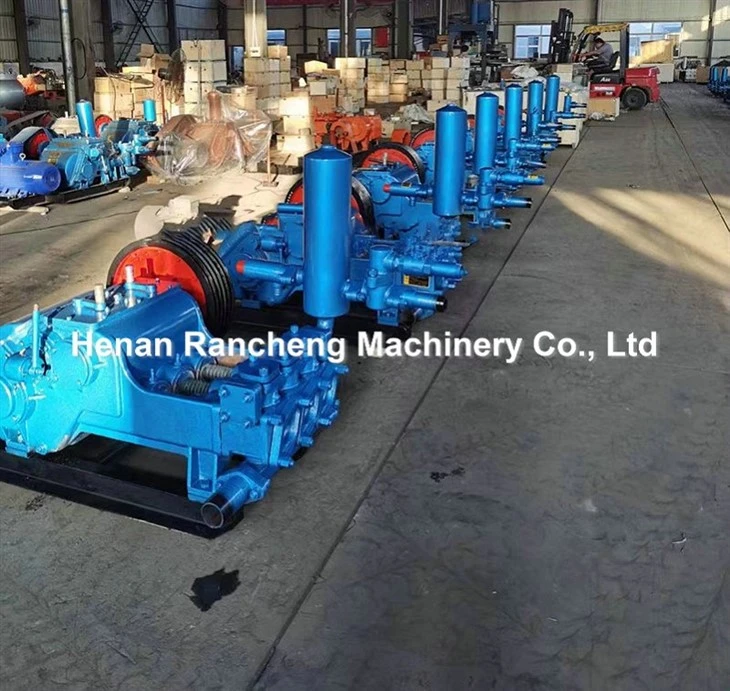

Replace any worn - out parts promptly. Also, lubricate the pump's moving parts as recommended in the maintenance schedule. This will ensure that the pump operates smoothly and reduces the risk of cavitation.
Other Considerations
When you're using the BW600 mud pump, it's also a good idea to consider the overall system design. Make sure that the mud storage tank is large enough to provide a steady supply of mud to the pump. A small tank can cause the pump to run dry, which is a major cause of cavitation.
If you're working in a harsh environment, like a dusty or dirty site, take extra precautions to protect the pump. Use filters to prevent debris from entering the pump. This will not only reduce the risk of cavitation but also extend the life of the pump.
Related Mud Pumps
If you're looking for different types of mud pumps, we also offer the BW850 Mud Pump and the BW200 Mud Pump. These pumps have their own unique features and applications, but the principles of preventing cavitation are similar.
Conclusion
Preventing cavitation in the BW600 mud pump is all about paying attention to the details. From maintaining proper suction conditions and mud viscosity to monitoring the pump's speed and pressure, every step counts. By following these tips, you can ensure that your pump operates efficiently and lasts longer.
If you have any questions about the BW600 mud pump or need more advice on preventing cavitation, don't hesitate to contact us. We're here to help you get the most out of your pump. Whether you're a small - scale driller or a large - scale mining company, we can provide you with the right solutions. So, if you're in the market for a reliable mud pump or need parts and maintenance services, let's start a conversation.
References
- Manufacturer's manual for the BW600 mud pump
- Industry standards for mud pump operation and maintenance