

Hey there! As a mini excavator supplier, I've had the pleasure of seeing these little powerhouses in action time and time again. They're super handy machines, used in all sorts of construction, landscaping, and small-scale digging jobs. But how do they actually work? That's what I'm gonna break down for you in this blog.
The Basics of a Mini Excavator
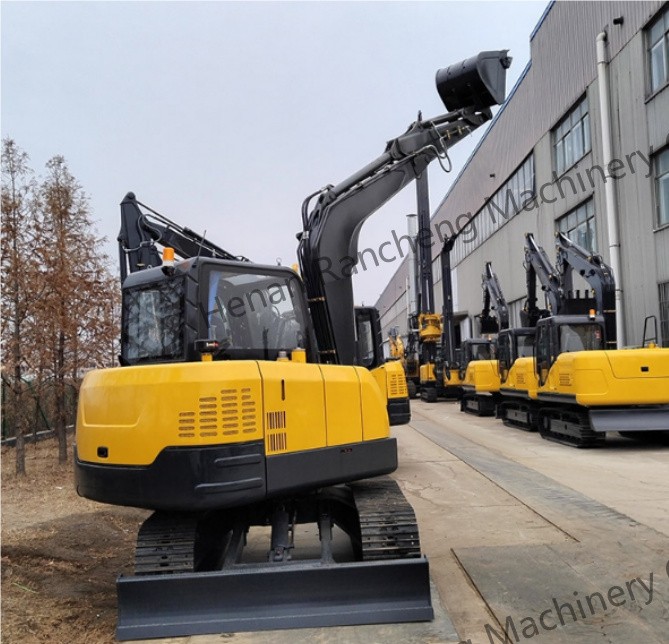
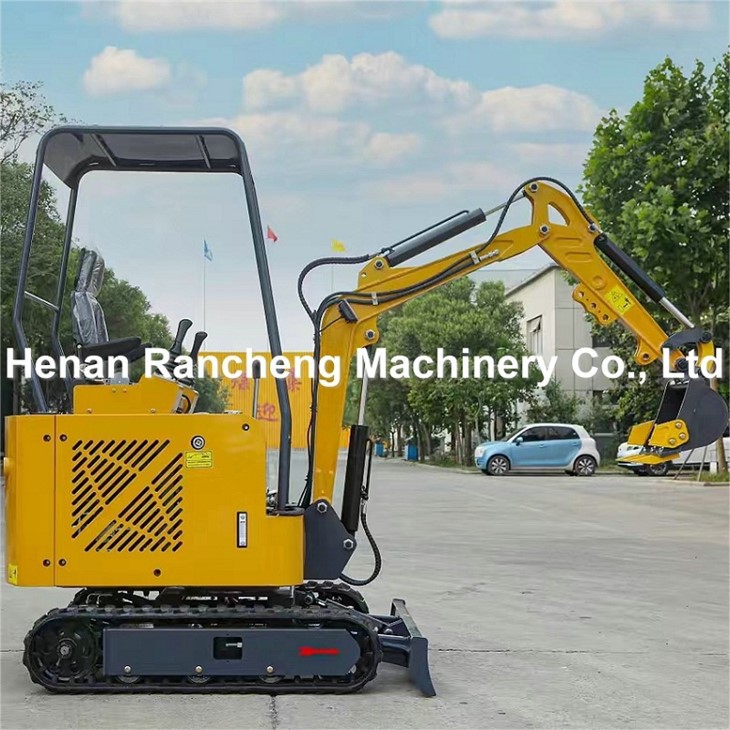
First off, let's talk about what a mini excavator is. It's a compact version of a full - sized excavator. Mini excavators usually weigh between 0.8 to 8 tons, which makes them really easy to transport and maneuver in tight spaces. They're perfect for jobs where a big excavator just won't fit, like backyard renovations or urban construction sites.
The Engine
At the heart of every mini excavator is its engine. Most mini excavators are powered by diesel engines, although there are also some electric models out there. The engine provides the power needed to run all the other components of the machine. It's like the heart pumping blood through the body of the excavator.
Diesel engines are popular because they're powerful and fuel - efficient. They can generate a lot of torque, which is essential for digging and lifting heavy loads. The engine is connected to a hydraulic pump. This pump is responsible for converting the mechanical energy from the engine into hydraulic energy.
The Hydraulic System
The hydraulic system is the key to a mini excavator's operation. It's what allows the machine to move its arms, buckets, and tracks. Hydraulic systems work based on Pascal's principle, which states that when pressure is applied to a fluid in a confined space, that pressure is transmitted equally in all directions.
In a mini excavator, the hydraulic pump sends pressurized hydraulic fluid through a series of hoses and valves to different parts of the machine. There are two main types of hydraulic cylinders used in a mini excavator: the boom cylinder, the arm cylinder, and the bucket cylinder.
The boom cylinder controls the up - and - down movement of the boom, which is the large arm of the excavator. The arm cylinder controls the forward - and - backward movement of the arm, which is attached to the boom. And the bucket cylinder controls the opening and closing of the bucket, allowing it to scoop up dirt, rocks, or other materials.
The tracks of the mini excavator are also powered by the hydraulic system. Hydraulic motors are used to drive the tracks, allowing the machine to move forward, backward, and turn. This gives the mini excavator excellent mobility on different types of terrain.
The Operator's Cab
The operator's cab is where the magic happens. It's designed to be comfortable and easy to use. Inside the cab, there are a series of controls that allow the operator to manipulate the hydraulic system.
There are usually two joysticks. One joystick controls the movement of the boom and arm, while the other controls the movement of the bucket and the rotation of the upper structure of the excavator. There are also pedals for controlling the tracks.
The cab is equipped with a variety of gauges and displays that show important information such as engine temperature, fuel level, and hydraulic pressure. This helps the operator monitor the machine's performance and ensure it's running safely.
The Attachments
One of the great things about mini excavators is their versatility. They can be fitted with a variety of attachments to perform different tasks. Some common attachments include buckets of different sizes, hydraulic breakers, augers, and grapples.
Buckets come in different shapes and sizes depending on the type of material being dug. For example, a wide bucket is great for moving large amounts of loose soil, while a narrow bucket is better for more precise digging.
Hydraulic breakers are used for breaking up concrete, rocks, or other hard materials. They work by using the hydraulic power of the excavator to deliver a high - impact blow.
Augers are used for drilling holes in the ground. They're often used for installing fence posts or planting trees.
Grapples are used for picking up and moving large objects such as logs or debris. They can be opened and closed hydraulically, giving the operator a firm grip on the object.
Real - World Applications
Mini excavators are used in a wide range of industries. In construction, they're used for digging foundations, trenches, and basements. They're also used for landscaping projects, such as grading land, digging ponds, and installing irrigation systems.
In the utility industry, mini excavators are used for installing and repairing underground pipes and cables. Their compact size allows them to work in areas where larger equipment can't reach.
Kubota Mini Excavator, Mini Digger, and 5T Excavator
If you're in the market for a mini excavator, you might want to check out some of our great options. We offer Kubota Mini Excavator, which are known for their reliability and performance. Our Mini Digger models are perfect for small - scale jobs, and our 5T Excavator provides a good balance between power and maneuverability.
Contact for Purchase
Whether you're a contractor looking to add a mini excavator to your fleet or a homeowner planning a DIY project, we've got the right machine for you. If you're interested in learning more about our mini excavators or want to discuss your specific needs, don't hesitate to reach out. We're here to help you find the perfect mini excavator for your job.
References
- "Construction Equipment Handbook" - This handbook provides in - depth information on the operation and maintenance of various construction equipment, including mini excavators.
- "Hydraulics and Pneumatics: A Technician's and Engineer's Guide" - A great resource for understanding the principles behind hydraulic systems used in mini excavators.
- Manufacturer's manuals for different mini excavator models, which offer detailed information on their specific features and operation.