

As a supplier of the BW450 mud pump, I often receive inquiries from customers about the maximum viscosity of the fluid that this robust piece of equipment can handle. Understanding the capabilities of the BW450 mud pump in terms of fluid viscosity is crucial for various applications, especially in the drilling and mining industries. In this blog post, I will delve into the technical aspects of the BW450 mud pump and explore the factors that influence its ability to handle fluids of different viscosities.
Understanding the BW450 Mud Pump
The BW450 Mud Pump is a popular choice among drilling contractors and mining operators due to its reliable performance and versatility. It is designed to deliver a consistent flow of fluid under high pressure, making it suitable for a wide range of drilling and pumping applications. The pump is equipped with a powerful engine and a high - efficiency pumping mechanism that allows it to handle various types of fluids, including mud, water, and other drilling fluids.
Factors Affecting the Pump's Ability to Handle Viscous Fluids
Several factors come into play when determining the maximum viscosity of the fluid that the BW450 mud pump can handle. These factors include the pump's design, the power of its engine, the size and configuration of its pumping chambers, and the type of fluid being pumped.
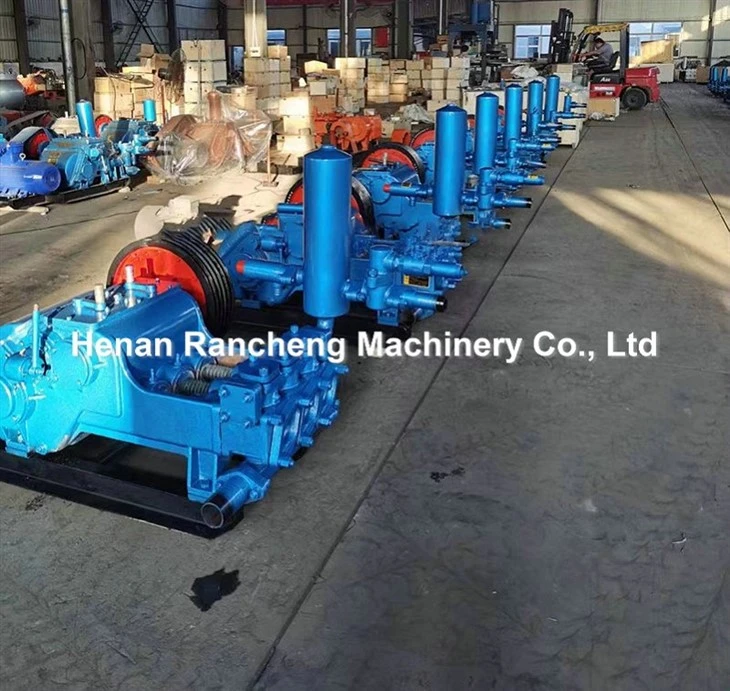

Pump Design
The design of the BW450 mud pump is optimized for efficient fluid transfer. It features a reciprocating piston mechanism that creates a positive displacement action, which is effective in moving fluids of different viscosities. The pump's valves are also designed to open and close smoothly, allowing for the efficient intake and discharge of fluid. However, as the viscosity of the fluid increases, the resistance to flow also increases, which can put additional stress on the pump's components.
Engine Power
The power of the engine is a critical factor in determining the pump's ability to handle viscous fluids. The BW450 mud pump is typically equipped with a powerful diesel engine that provides sufficient torque to drive the pumping mechanism. A more powerful engine can generate the necessary force to overcome the increased resistance caused by high - viscosity fluids. However, there is a limit to how much power can be effectively utilized, and as the viscosity of the fluid continues to rise, the pump may struggle to maintain its performance.
Pumping Chamber Size and Configuration
The size and configuration of the pumping chambers also play a role in the pump's ability to handle viscous fluids. Larger pumping chambers can accommodate more fluid, which can be beneficial when dealing with high - viscosity fluids. Additionally, the shape and design of the chambers can affect the flow of the fluid. A well - designed chamber can minimize turbulence and reduce the resistance to flow, allowing the pump to operate more efficiently.
Fluid Properties
The properties of the fluid being pumped, such as its density, viscosity, and temperature, also have a significant impact on the pump's performance. Viscosity is a measure of a fluid's resistance to flow. As the viscosity of the fluid increases, it becomes more difficult for the pump to move the fluid through the system. Temperature can also affect viscosity; generally, as the temperature of a fluid decreases, its viscosity increases.
Determining the Maximum Viscosity
Based on our experience and technical specifications, the BW450 mud pump can typically handle fluids with a viscosity of up to [X] centipoise (cP). However, this value can vary depending on the factors mentioned above. In ideal conditions, with a well - maintained pump and a fluid with favorable properties, the pump may be able to handle slightly higher viscosities.
It is important to note that operating the pump near its maximum viscosity limit can put additional stress on the pump's components, leading to increased wear and tear. This can result in more frequent maintenance requirements and a shorter lifespan for the pump. Therefore, it is recommended to operate the pump within a safe range of viscosities to ensure optimal performance and reliability.
Comparing with Other Mud Pumps
When considering the maximum viscosity capabilities of the BW450 mud pump, it is useful to compare it with other models in our product line. The BW250 Mud Pump is a smaller and less powerful model compared to the BW450. It is suitable for applications where lower flow rates and pressures are required. Due to its smaller size and lower power, the BW250 mud pump has a lower maximum viscosity limit compared to the BW450.
On the other hand, the BW600 Mud Pump is a larger and more powerful model. It is designed to handle higher flow rates and pressures, and as a result, it can typically handle fluids with higher viscosities compared to the BW450. However, the choice of pump ultimately depends on the specific requirements of the application, including the viscosity of the fluid, the required flow rate, and the operating conditions.
Tips for Handling High - Viscosity Fluids
If you need to use the BW450 mud pump to handle high - viscosity fluids, there are several tips that can help improve its performance and reliability.
- Fluid Conditioning: Consider using additives or heating the fluid to reduce its viscosity. This can make it easier for the pump to move the fluid through the system.
- Regular Maintenance: Ensure that the pump is properly maintained, including regular inspection and replacement of worn components. This can help prevent breakdowns and ensure that the pump operates at its best.
- Proper Installation: Make sure that the pump is installed correctly, with the appropriate piping and fittings. Incorrect installation can lead to increased resistance to flow and reduced performance.
Conclusion
In conclusion, the maximum viscosity of the fluid that the BW450 mud pump can handle is influenced by several factors, including the pump's design, engine power, pumping chamber size and configuration, and the properties of the fluid. While the pump can typically handle fluids with a viscosity of up to [X] cP, it is important to operate it within a safe range to ensure optimal performance and reliability.
If you have specific requirements regarding the handling of high - viscosity fluids or need more information about the BW450 mud pump, I encourage you to contact us for a detailed discussion. Our team of experts is ready to assist you in selecting the right pump for your application and providing you with the necessary support and guidance. Whether you are a drilling contractor, a mining operator, or involved in any other industry that requires reliable mud pumping solutions, we are here to help you achieve your goals.
References
- Manufacturer's technical specifications for the BW450 mud pump.
- Industry research on the performance of mud pumps in handling high - viscosity fluids.
- Case studies of real - world applications of the BW450 mud pump.