

The digging depth of a mini excavator is a crucial factor that significantly influences its performance and applicability in various construction and excavation projects. As a trusted supplier of mini excavators, we understand the importance of this parameter and are here to provide you with comprehensive insights into the digging depth of these versatile machines.
Understanding Mini Excavators
Mini excavators, also known as compact excavators, are lightweight and highly maneuverable construction equipment designed for small - scale excavation tasks. They are widely used in urban construction, landscaping, utility work, and residential projects due to their ability to operate in confined spaces. There are different types of mini excavators available in the market, including Small Excavator, Mini Digger, and Micro Excavator. Each type has its own unique characteristics and digging depth capabilities.
Factors Affecting Digging Depth
Several factors contribute to the digging depth of a mini excavator. The first and most obvious factor is the machine's design and specifications. Manufacturers engineer mini excavators with different boom and arm lengths, which directly impact the digging depth. A longer boom and arm combination generally allows for greater digging depths.
The size and weight of the mini excavator also play a role. Larger and heavier mini excavators can often support longer booms and arms, enabling them to dig deeper. However, this also needs to be balanced with the machine's stability. If a mini excavator is too top - heavy or lacks proper counterweights, it may become unstable during deep - digging operations, posing a safety risk.
The hydraulic system of the mini excavator is another critical factor. A powerful hydraulic system can provide the necessary force to drive the boom and arm downwards, allowing for efficient digging at greater depths. The quality and performance of the hydraulic cylinders, pumps, and valves determine how effectively the machine can transfer power to the digging components.
Typical Digging Depths of Different Mini Excavators
Micro excavators, which are the smallest in the mini - excavator category, typically have a digging depth ranging from 1.5 to 2.5 meters. These machines are ideal for extremely tight spaces, such as small gardens or interior demolition projects. Their compact size allows them to access areas where larger equipment cannot, but their limited digging depth means they are best suited for shallow excavation tasks.
Mini diggers, which are slightly larger than micro excavators, usually offer a digging depth between 2.5 and 3.5 meters. They are more versatile and can be used in a wider range of applications, including small - scale foundation work, trenching for utility lines, and landscape grading. Their increased digging depth makes them suitable for projects that require a bit more depth compared to what micro excavators can achieve.

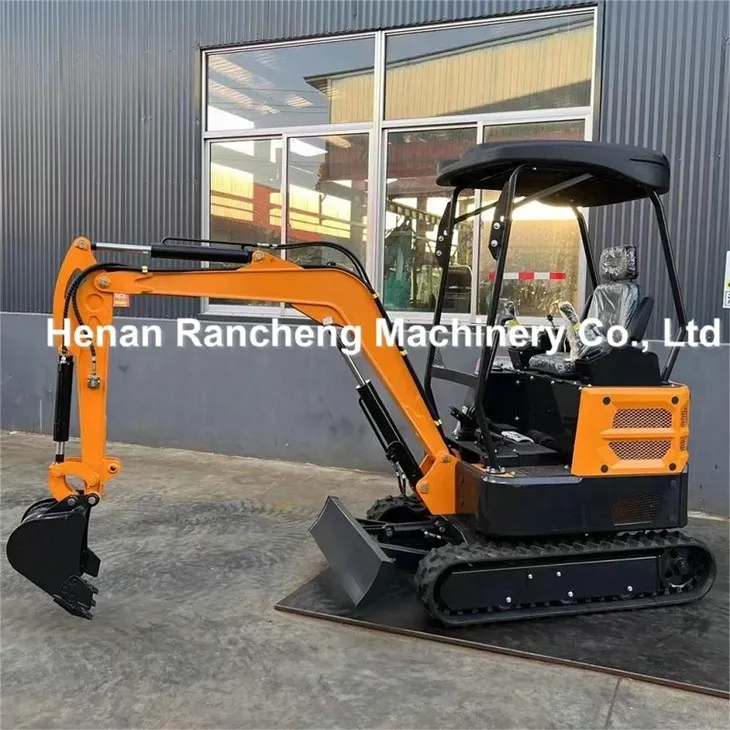
Small excavators, the largest in the mini - excavator family, can dig to depths of 3.5 to 4.5 meters or even more in some high - end models. These machines are capable of handling more substantial excavation projects, such as small building foundations or larger utility trenches. They combine the maneuverability of mini excavators with a relatively deep digging capacity, making them a popular choice for many construction contractors.
Importance of Digging Depth in Project Planning
When planning an excavation project, understanding the digging depth requirements is essential. If the required digging depth exceeds the capabilities of a mini excavator, it may be necessary to consider alternative equipment or multiple passes of the machine.
For example, in a utility trenching project, if the trench needs to be 3 meters deep and you only have a micro excavator with a 2 - meter digging depth, you will need to either use a larger mini excavator or make multiple shallow passes to reach the desired depth. This can increase the time and cost of the project.
On the other hand, if you choose a mini excavator with excessive digging depth for a shallow - excavation project, you may be over - investing in equipment. A larger and more powerful mini excavator may be more expensive to rent or purchase, and it may also be less maneuverable in tight spaces where a smaller machine would suffice.
Choosing the Right Mini Excavator Based on Digging Depth
As a supplier, we assist our customers in selecting the right mini excavator based on their specific digging depth requirements. Our team of experts takes into account the project details, including the required depth, the type of soil, and the available working space.
We understand that different projects have different soil conditions, which can also affect the digging process. For example, hard - packed clay or rocky soil may require a more powerful mini excavator with a greater digging force to penetrate and excavate effectively.
In addition to digging depth, we also consider other factors such as the reach, lifting capacity, and fuel efficiency of the mini excavator. A well - balanced machine that meets all the project requirements will not only ensure efficient excavation but also minimize operational costs.
Maintenance and Its Impact on Digging Depth
Proper maintenance of a mini excavator is essential to maintain its digging depth performance. Regular inspections of the boom, arm, and hydraulic components are necessary to detect any signs of wear or damage. Worn - out hydraulic seals or damaged boom joints can reduce the machine's ability to reach its maximum digging depth.
Lubrication of moving parts is also crucial. The pins and bushings in the boom and arm need to be lubricated regularly to ensure smooth operation. Failure to lubricate these components can lead to increased friction, which can reduce the efficiency of the digging mechanism and ultimately affect the digging depth.
Regular servicing of the hydraulic system, including fluid changes and filter replacements, is necessary to keep the system operating at peak performance. A well - maintained hydraulic system will provide consistent power to the digging components, allowing the mini excavator to dig to its designed depth.
Conclusion
The digging depth of a mini excavator is a multi - faceted characteristic that depends on various design, mechanical, and operational factors. Whether you are in the market for a micro excavator, a mini digger, or a small excavator, understanding the digging depth capabilities is vital for successful project execution.
As a leading supplier of mini excavators, we are committed to providing high - quality machines that meet your specific digging depth requirements. Our range of Small Excavator, Mini Digger, and Micro Excavator offers a diverse selection to suit different project needs.
If you are planning an excavation project and need assistance in choosing the right mini excavator, we invite you to contact us. Our experienced team will be happy to discuss your requirements and provide you with the best solutions. Let us help you make the most of your excavation project with our reliable and efficient mini excavators.
References
- Construction Equipment Handbook, various editions.
- Manufacturer specifications of leading mini - excavator brands.
- Industry research reports on mini - excavator performance and applications.