

Hey there! As a mud pump supplier, I often get asked about the difference between horizontal and vertical mud pumps. It's a great question, and today, I'm gonna break it down for ya in a way that's easy to understand.
Let's start with a bit of background on mud pumps. These bad boys are essential in the oil and gas industry, mining, and other drilling operations. They're used to circulate drilling fluid, also known as mud, down through the drill pipe and back up to the surface. This helps to cool and lubricate the drill bit, carry cuttings to the surface, and maintain pressure in the wellbore.
Horizontal Mud Pumps
First up, horizontal mud pumps. These pumps have their cylinders arranged horizontally. One of the biggest advantages of horizontal mud pumps is their stability. Because the cylinders are laid out flat, the pump has a lower center of gravity. This means it's less likely to tip over during operation, which is a big plus, especially in rough environments like offshore drilling platforms or remote mining sites.
Another benefit of horizontal mud pumps is their ease of maintenance. The horizontal layout makes it easier to access the internal components, such as the pistons, valves, and cylinders. If something goes wrong, technicians can quickly get in there, make the necessary repairs, and get the pump back up and running. This translates to less downtime and lower maintenance costs in the long run.
In terms of performance, horizontal mud pumps are known for their high efficiency. They can handle high volumes of mud at relatively high pressures. This makes them ideal for large-scale drilling operations where a continuous and reliable supply of mud is required. For example, in deep-sea oil drilling, horizontal mud pumps can pump large amounts of mud down to great depths, helping to keep the drill bit working smoothly.
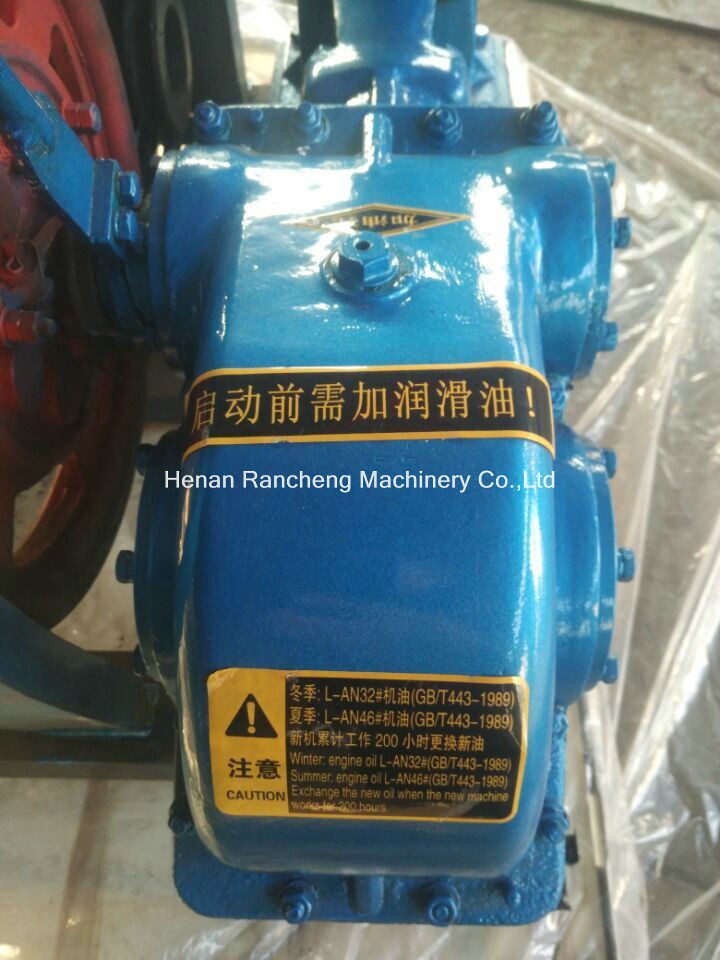

If you're interested in horizontal mud pumps, you can check out our Horizontal Mud Pump on our website. It comes with all the features and benefits we've just talked about, and we offer top-notch customer support to keep it running like a champ.
Vertical Mud Pumps
Now, let's talk about vertical mud pumps. As the name suggests, these pumps have their cylinders arranged vertically. One of the main advantages of vertical mud pumps is their compact design. They take up less floor space compared to horizontal mud pumps, which is a huge advantage in places where space is limited, like in small drilling rigs or in mines with narrow tunnels.
Vertical mud pumps are also great for handling abrasive muds. The vertical orientation of the cylinders helps to reduce the wear and tear on the pistons and valves. Because the mud flows vertically through the pump, there's less chance of sediment buildup, which can cause damage to the internal components over time.
In terms of performance, vertical mud pumps are known for their ability to handle high pressures. They can generate a lot of force, which makes them suitable for applications where high-pressure pumping is required, such as in hydraulic fracturing or "fracking."
If you're looking for a specific type of vertical mud pump, we have the BW160 Mud Pump. It's a reliable and efficient pump that's been designed to meet the demands of various drilling operations.
Comparing the Two
Now that we've talked about the features of horizontal and vertical mud pumps, let's compare them side by side.
Space Requirements: If you have limited space, a vertical mud pump is probably the way to go. But if space isn't an issue, a horizontal mud pump might be a better choice, especially if you need a pump with high stability.
Maintenance: Horizontal mud pumps are generally easier to maintain because of their layout. However, vertical mud pumps can have a longer lifespan when handling abrasive muds, which means less frequent replacement of parts.
Performance: Both types of pumps can handle high pressures and volumes, but horizontal mud pumps are better for high-volume applications, while vertical mud pumps are better for high-pressure applications.
Cost: The cost of a mud pump depends on many factors, such as the size, capacity, and features. In general, horizontal mud pumps tend to be more expensive upfront because of their larger size and more complex design. However, the lower maintenance costs over time can offset the initial investment.
Piston Mud Pumps
Before we wrap up, I want to mention piston mud pumps. These are a type of mud pump that can be either horizontal or vertical. Piston mud pumps use pistons to move the mud through the pump. They're known for their high efficiency and reliability.
If you're interested in piston mud pumps, you can check out our Piston Mud Pump on our website. It's available in both horizontal and vertical configurations, so you can choose the one that best suits your needs.
Conclusion
So, there you have it! The difference between horizontal and vertical mud pumps. Each type has its own unique advantages, and the choice between them depends on your specific needs and the requirements of your drilling operation.
If you're still not sure which type of mud pump is right for you, don't hesitate to reach out to us. We're a team of experts in the mud pump industry, and we're here to help you make the best decision for your business. Whether you need a high-volume horizontal mud pump for a large-scale drilling project or a compact vertical mud pump for a small mining operation, we've got you covered.
Get in touch with us today to start a conversation about your mud pump needs. We look forward to working with you!
References
- Oil and Gas Drilling Equipment Handbook
- Mining Equipment: Principles and Applications