

Hey there! As a supplier of 2t forklifts, I often get asked about the differences between 2t diesel and electric forklifts. So, I thought I'd break it down for you in this blog post.
Power Source and Fuel
Let's start with the most obvious difference - the power source. A 2t diesel forklift runs on diesel fuel. Diesel engines are known for their high torque, which means they can handle heavy loads with ease. They're like the muscle cars of the forklift world. You just fill up the fuel tank, and you're good to go for a while. Diesel is readily available at gas stations, so you don't have to worry too much about finding a place to refuel.
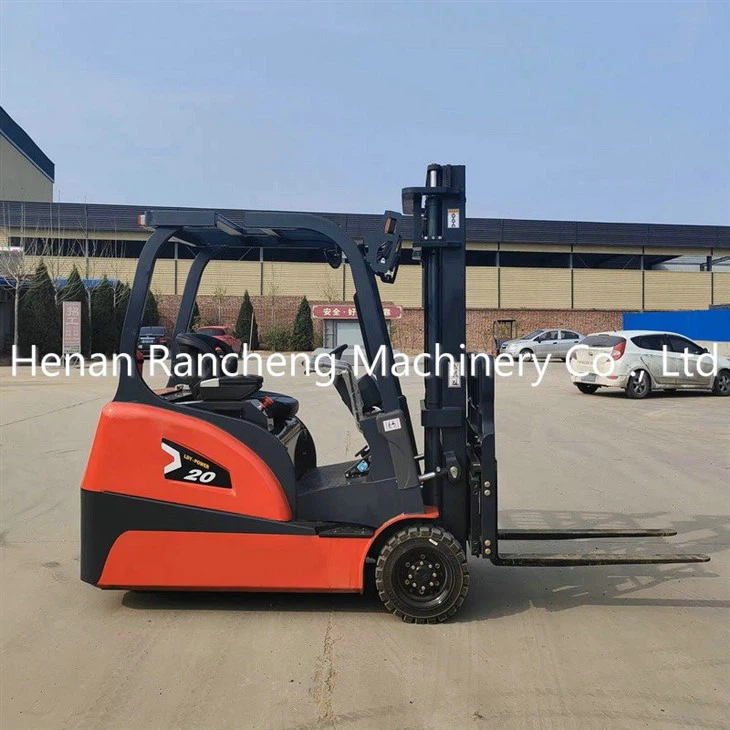
On the other hand, an electric forklift gets its power from a battery. These batteries need to be charged regularly, usually overnight. It's like charging your phone. You plug it in, and when it's fully charged, you're ready to use the forklift again. The advantage of an electric forklift is that electricity is generally cheaper than diesel in the long run, and it's a cleaner energy source.
Performance and Efficiency
In terms of performance, diesel forklifts have a clear edge when it comes to heavy - duty tasks. They can operate continuously for long periods without a significant drop in performance. They're great for outdoor use, especially in construction sites or large warehouses where you need to move heavy materials over rough terrain. The powerful diesel engine can handle inclines and uneven surfaces better than electric forklifts.
Electric forklifts, however, are more efficient in terms of energy consumption. They convert a higher percentage of the energy they consume into useful work. They're also much quieter than diesel forklifts. If you're working in an indoor environment like a supermarket or a small warehouse, the noise from a diesel forklift can be a real nuisance. Electric forklifts operate almost silently, which makes them a better choice for indoor use.
Maintenance
Maintenance is another important factor to consider. Diesel forklifts have more complex engines with many moving parts. This means that they generally require more frequent maintenance. You need to change the oil, filters, and spark plugs regularly. There's also a higher risk of engine problems, which can lead to costly repairs.
Electric forklifts, on the other hand, have fewer moving parts. The main maintenance task is to take care of the battery. You need to make sure the battery is properly charged and maintained. Over - charging or under - charging the battery can reduce its lifespan. But overall, the maintenance requirements for electric forklifts are lower than those for diesel forklifts.

Emissions
When it comes to emissions, there's a huge difference between the two types of forklifts. Diesel forklifts emit pollutants such as carbon monoxide, nitrogen oxides, and particulate matter. These emissions can be harmful to the environment and the health of workers, especially in enclosed spaces. That's why diesel forklifts are usually restricted to outdoor use in many places.
Electric forklifts, on the other hand, produce zero emissions at the point of use. They're a much greener option, which is becoming increasingly important in today's environmentally conscious world. If you're looking to reduce your carbon footprint, an electric forklift is the way to go.
Cost
Let's talk about cost. The upfront cost of an electric forklift is usually higher than that of a diesel forklift. This is mainly because of the cost of the battery and the advanced technology used in electric forklifts. However, when you consider the long - term costs, electric forklifts can be more cost - effective. As mentioned earlier, electricity is generally cheaper than diesel, and the maintenance costs are lower.
Applications
The choice between a 2t diesel and electric forklift also depends on the application. If you're working in an outdoor environment, such as a lumber yard or a shipping dock, a diesel forklift might be the better choice. Its high - performance engine can handle the heavy loads and rough terrain.
If you're working indoors, like in a cold storage facility or a small warehouse, an electric forklift is more suitable. Its quiet operation and zero emissions make it a great fit for indoor use.
Our Offerings
As a 2t forklift supplier, we offer both 2t diesel and electric forklifts. Our 2T Forklift models are designed to meet the diverse needs of our customers. We also have 1.6T Forklift and 3T Forklift options for those who need different load capacities.
If you're still not sure which type of forklift is right for you, don't hesitate to reach out to us. Our team of experts can help you make an informed decision based on your specific requirements. Whether you need a forklift for a short - term project or a long - term solution, we've got you covered.
In conclusion, both 2t diesel and electric forklifts have their own advantages and disadvantages. It all comes down to your specific needs, budget, and the environment in which the forklift will be used. If you're interested in purchasing a 2t forklift, or if you have any questions about our products, feel free to contact us. We're here to help you find the perfect forklift for your business.
References
- "Forklift Handbook" by Industrial Truck Association
- Various industry reports on forklift technology and usage.