

Hey there! As a supplier of 2.6t forklifts, I've seen firsthand how important it is to keep these machines in tip - top shape. A well - maintained forklift not only operates more efficiently but also has a longer lifespan, saving you both time and money in the long run. So, let's dive into how you can maintain a 2.6t forklift.
Pre - shift Checks
Before you even start up the forklift, a quick pre - shift check is a must. It's like checking your car before a long drive. First off, take a look at the tires. Make sure they're properly inflated and there are no signs of excessive wear or damage. Bald or under - inflated tires can affect the forklift's stability and handling. You don't want to be in the middle of a busy warehouse and have a tire issue, right?
Next, check the forks. Inspect them for any cracks, bends, or excessive wear. The forks are the workhorses of the forklift, and if they're not in good condition, it can lead to dropped loads and potential accidents. Also, ensure that the fork positioner, if your forklift has one, is working smoothly.

Don't forget about the hydraulic system. Check the hydraulic fluid level. Low fluid can cause the hydraulic cylinders to malfunction, which means you won't be able to lift or lower loads properly. Look for any signs of leaks around the hoses and cylinders. A small leak can quickly turn into a big problem if not addressed.
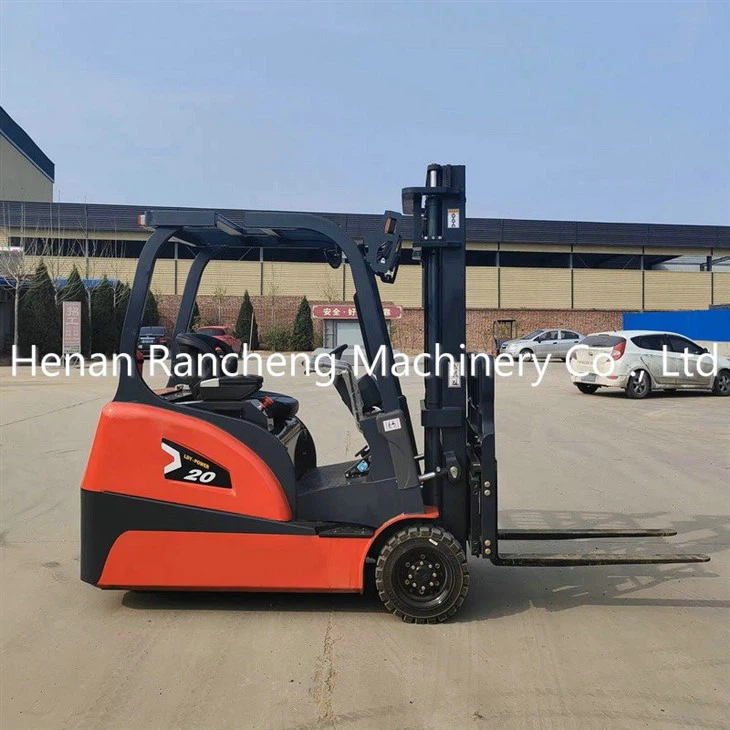
Battery Maintenance (for Electric Forklifts)
If your 2.6t forklift is electric, the battery is its heart. Regularly check the water level in the battery cells. Use distilled water to top them up if needed. Over - watering or under - watering can damage the battery. Also, make sure the battery terminals are clean and free of corrosion. A corroded terminal can reduce the battery's efficiency and even cause it to fail.
When charging the battery, follow the manufacturer's instructions. Don't overcharge it, as this can shorten the battery's lifespan. And never charge a hot battery; let it cool down first. Some modern forklifts come with smart charging systems, but it's still important to keep an eye on the process.
Engine Maintenance (for Internal Combustion Forklifts)
For internal combustion forklifts, the engine is the key component. Regularly change the engine oil. Old oil can become dirty and lose its lubricating properties, which can lead to increased engine wear. Follow the recommended oil change intervals in the forklift's manual.
The air filter also needs attention. A clogged air filter restricts the airflow to the engine, reducing its performance and fuel efficiency. Check the air filter regularly and replace it when it's dirty.
Spark plugs are another important part. Worn - out spark plugs can cause misfires and poor engine performance. Inspect them regularly and replace them as needed. And don't forget about the fuel system. Make sure the fuel filter is clean and there are no leaks in the fuel lines.
Lubrication
Proper lubrication is crucial for the smooth operation of a forklift. There are many moving parts in a forklift, such as joints, bearings, and chains. Use the right type of lubricant as recommended by the manufacturer. Apply lubricant at the specified intervals to prevent excessive wear and tear.
For example, the mast chains should be lubricated regularly. These chains are responsible for raising and lowering the forks, and if they're not lubricated, they can become noisy and may even break. The pivot points on the mast and other moving parts also need to be lubricated to ensure easy movement.
Safety Equipment Checks
Safety should always be a top priority when operating a forklift. Check the safety equipment regularly. The horn should be loud and working properly. You need to be able to alert others in the warehouse when you're approaching.
The seatbelt is another important safety feature. Make sure it's in good condition and can be fastened securely. A seatbelt can save your life in case of an accident.
The lights on the forklift, including headlights, taillights, and indicator lights, should all be working. This is especially important if the forklift is used in low - light areas.
Operator Training
Even the best - maintained forklift can be damaged if it's operated incorrectly. Make sure all operators are properly trained. They should know how to start and stop the forklift safely, how to handle loads correctly, and how to perform basic pre - shift checks.
Training should also cover safety procedures, such as how to avoid collisions and how to handle emergency situations. A well - trained operator is less likely to cause damage to the forklift and is more likely to notice small issues before they turn into big problems.
Regular Servicing
In addition to daily and weekly checks, it's important to have the forklift serviced regularly by a professional. A professional technician can perform a more in - depth inspection of the forklift. They can check the internal components, such as the transmission and the steering system.
During a service, the technician can also perform any necessary adjustments. For example, they can adjust the brakes to ensure they're working properly. Regular servicing can catch potential problems early and prevent costly breakdowns.
Storage
When the forklift is not in use, proper storage is important. If possible, store the forklift in a dry, covered area. Exposure to the elements can cause rust and corrosion, especially on metal parts.
If the forklift is going to be stored for an extended period, take some additional steps. For electric forklifts, fully charge the battery before storage and then recharge it every few months. For internal combustion forklifts, add a fuel stabilizer to the fuel tank to prevent the fuel from deteriorating.
Our Other Forklift Options
If you're in the market for a forklift, besides our 2.6t forklift, we also offer a range of other models. Check out our 2.5T Forklift, which is a great option for lighter loads and more maneuverable spaces. And if you need more lifting power, our 5T Forklift is up to the task. We also have a 2T Forklift for smaller - scale operations.
Maintaining a 2.6t forklift may seem like a lot of work, but it's really about taking small steps regularly. By following these maintenance tips, you can keep your forklift running smoothly for years to come. If you're interested in purchasing a 2.6t forklift or any of our other models, feel free to reach out to us for a quote and to discuss your specific needs. We're here to help you find the perfect forklift solution for your business.
References
- Forklift Operator's Manuals
- Industry Best Practices Guides for Forklift Maintenance