

Hey there! As a supplier of micro excavators, I often get asked about how to check the travel motor of these nifty little machines. A well - functioning travel motor is crucial for the smooth operation of a micro excavator, so today I'm going to walk you through the process.
First off, let's talk a bit about why the travel motor is so important. The travel motor is responsible for making the micro excavator move forward, backward, and turn. Without a properly working travel motor, your micro excavator is pretty much stuck in one place. Whether you're using a Portable Mini Excavator, a Kubota Mini Excavator, or a Mini Digger, the travel motor is a key component.
Pre - check Inspection
Before you start the actual check, it's a good idea to do a quick visual inspection. Look for any obvious signs of damage, like leaks, cracks, or loose parts. Check the hoses connected to the travel motor. A leaking hose can cause a loss of hydraulic pressure, which will affect the performance of the motor. If you see any fluid on the ground near the motor or on the hoses themselves, that's a red flag.
Also, take a look at the mounting bolts. Make sure they're tight. Loose bolts can cause the motor to vibrate excessively, which can lead to premature wear and tear. And don't forget to check the sprockets and tracks. Worn - out sprockets or tracks can put extra strain on the travel motor.
Hydraulic System Check
The travel motor of a micro excavator is powered by a hydraulic system. So, checking the hydraulic system is a big part of checking the travel motor. Start by checking the hydraulic fluid level. You can usually find the hydraulic fluid reservoir near the engine. The fluid level should be between the minimum and maximum marks on the dipstick or sight glass.
If the fluid level is low, you need to add more hydraulic fluid. But be careful to use the right type of fluid recommended by the manufacturer. Using the wrong fluid can cause damage to the hydraulic system.
Next, check the quality of the hydraulic fluid. The fluid should be clean and clear. If it looks dirty, cloudy, or has a burnt smell, it's time to change the fluid. Contaminated fluid can clog the filters and damage the hydraulic components, including the travel motor.
Inspect the hydraulic filters as well. Clogged filters can restrict the flow of hydraulic fluid to the travel motor, reducing its performance. Replace the filters if they're dirty or if it's been a while since the last replacement.
Motor Performance Check
Now, it's time to test the performance of the travel motor. Start the micro excavator and let it warm up for a few minutes. Then, engage the travel controls and move the excavator forward and backward at different speeds. Pay attention to how the machine moves.
If the excavator hesitates, jerks, or has trouble moving, there could be a problem with the travel motor. It might also make strange noises, like whining or grinding. These noises can indicate internal damage to the motor.
Try turning the excavator left and right. The turns should be smooth and easy. If the machine has difficulty turning or if one side turns slower than the other, it could mean that one of the travel motors is not working properly.
Speed and Torque Check
Another important aspect of checking the travel motor is to test its speed and torque. You can use a tachometer to measure the speed of the motor. Compare the measured speed with the specifications provided by the manufacturer. If the speed is significantly lower than the recommended speed, there could be an issue with the motor.
To check the torque, you can try moving the excavator on different surfaces. On a flat, hard surface, the excavator should be able to move smoothly and quickly. On a soft or uneven surface, it should still be able to maintain enough power to move forward. If the excavator struggles to move on a flat surface or loses power easily on an uneven surface, the travel motor might not be generating enough torque.
Temperature Check
During operation, the travel motor will generate heat. But if it gets too hot, it can cause damage to the internal components. You can use an infrared thermometer to measure the temperature of the travel motor. The temperature should be within the normal operating range specified by the manufacturer.
If the motor is running too hot, it could be due to a number of reasons. It could be a problem with the hydraulic system, like a clogged filter or a malfunctioning pump. Or it could be an issue with the motor itself, like excessive friction caused by worn - out parts.
Disassembly and Internal Inspection
If you've done all the above checks and you still suspect there's a problem with the travel motor, you might need to disassemble it for a more detailed internal inspection. But this is a more advanced procedure and should only be done if you have the necessary skills and tools.
Before you start disassembling the motor, make sure to relieve the hydraulic pressure. You can do this by following the manufacturer's instructions. Once the pressure is relieved, carefully remove the motor from the excavator.
Inspect the internal components, like the pistons, valves, and bearings. Look for signs of wear, damage, or corrosion. If you find any damaged parts, you'll need to replace them.
Reassembly and Testing
After you've completed the internal inspection and replaced any damaged parts, it's time to reassemble the travel motor. Make sure to follow the correct assembly procedure. Use new gaskets and seals to prevent leaks.
Once the motor is reassembled, reinstall it on the excavator. Then, refill the hydraulic system with fresh fluid and bleed the air out of the system.
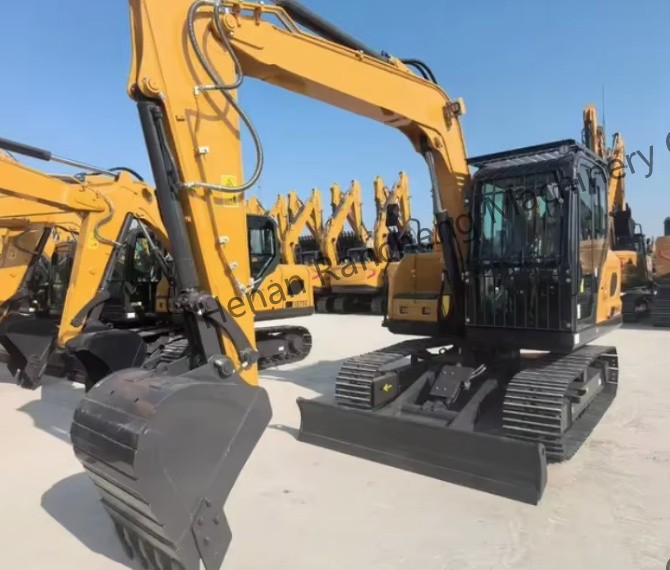

Finally, test the travel motor again. Start the excavator and move it around to make sure everything is working properly. If the excavator moves smoothly and there are no strange noises or vibrations, then you've successfully checked and fixed the travel motor.
Conclusion
Checking the travel motor of a micro excavator is not rocket science, but it does require some attention to detail. By following these steps, you can keep your travel motor in good working condition and avoid costly breakdowns.
If you're in the market for a new micro excavator or need replacement parts for your existing one, don't hesitate to reach out. We're here to help you find the best solutions for your construction needs. Whether you're interested in a Portable Mini Excavator, a Kubota Mini Excavator, or a Mini Digger, we've got you covered.
References
- Manufacturer's manuals for micro excavators
- Industry - standard hydraulic system maintenance guides
- Technical papers on small - scale construction equipment maintenance