

When it comes to ensuring access to a reliable water source, whether for residential, agricultural, or industrial purposes, a water detector can be an invaluable tool. As a water detector supplier, I've had the privilege of working with a wide range of clients, each with unique needs and budgets. In this blog post, I'll delve into the factors that influence the cost of a water detector and provide you with a comprehensive overview of what you can expect to pay.
Understanding the Basics of Water Detectors
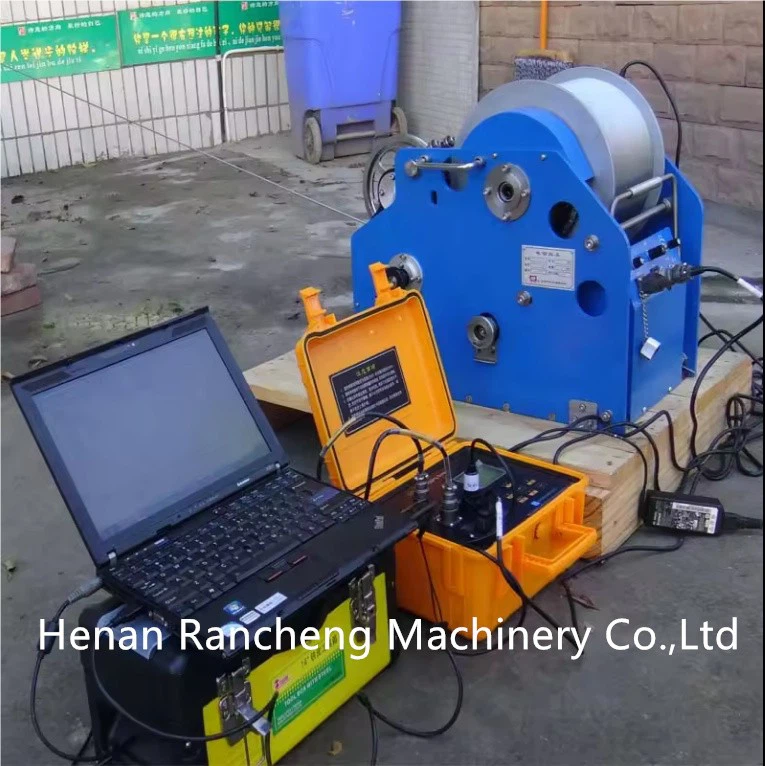
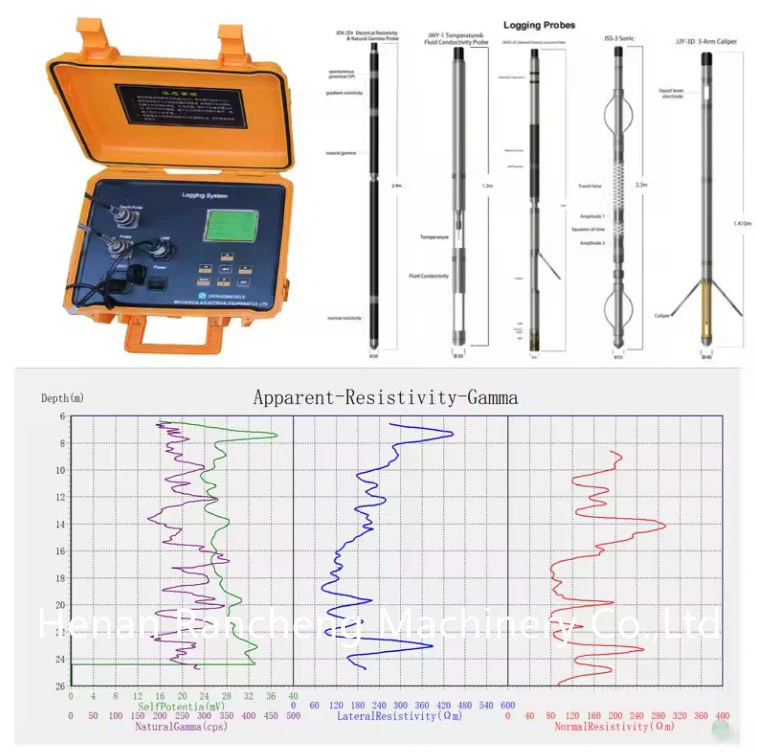
Before we dive into the cost, it's essential to understand what a water detector is and how it works. A water detector, also known as an underground water finding device, is a specialized instrument designed to locate underground water sources. These devices use various technologies, such as electromagnetic fields, resistivity, and ground-penetrating radar, to detect the presence of water beneath the surface.
There are several types of water detectors available on the market, each with its own set of features and capabilities. Some common types include:
- Electromagnetic Water Detectors: These devices use electromagnetic fields to detect the presence of water. They are relatively easy to use and can provide quick results.
- Resistivity Water Detectors: Resistivity water detectors measure the electrical resistivity of the ground to identify areas with high water content. They are more accurate than electromagnetic detectors but can be more expensive.
- Ground-Penetrating Radar (GPR) Water Detectors: GPR water detectors use radar waves to create a detailed image of the subsurface. They are the most accurate type of water detector but are also the most expensive.
Factors Affecting the Cost of a Water Detector
The cost of a water detector can vary significantly depending on several factors, including:
- Type of Detector: As mentioned earlier, different types of water detectors use different technologies and have varying levels of accuracy and complexity. Generally, more advanced detectors, such as GPR water detectors, are more expensive than electromagnetic or resistivity detectors.
- Brand and Quality: The brand and quality of the water detector can also affect its cost. Well-known brands with a reputation for reliability and accuracy tend to charge more for their products. However, investing in a high-quality detector can save you money in the long run by providing more accurate results and reducing the need for costly rework.
- Features and Capabilities: Water detectors come with a variety of features and capabilities, such as depth penetration, sensitivity adjustment, and data logging. The more features a detector has, the higher its cost is likely to be. Consider your specific needs and budget when choosing a detector with the right features for you.
- Portability and Ease of Use: Some water detectors are designed to be portable and easy to use, while others are more stationary and require more technical expertise. Portable detectors are generally more expensive than stationary ones but offer greater flexibility and convenience.
- Additional Accessories: In addition to the detector itself, you may need to purchase additional accessories, such as antennas, probes, and software. These accessories can add to the overall cost of the system.
Cost Range of Water Detectors
Based on the factors mentioned above, the cost of a water detector can range from a few hundred dollars to several thousand dollars. Here's a breakdown of the typical cost ranges for different types of water detectors:
- Entry-Level Electromagnetic Water Detectors: These detectors are the most affordable option and typically cost between $200 and $500. They are suitable for basic water detection needs and are easy to use.
- Mid-Range Resistivity Water Detectors: Mid-range resistivity detectors offer greater accuracy and functionality than entry-level electromagnetic detectors. They usually cost between $500 and $2,000.
- High-End GPR Water Detectors: GPR water detectors are the most advanced and accurate type of water detector. They can cost anywhere from $2,000 to $10,000 or more, depending on the features and capabilities.
It's important to note that these are just general cost ranges, and the actual price of a water detector may vary depending on the specific model, brand, and retailer. When shopping for a water detector, it's a good idea to compare prices from multiple suppliers to ensure you're getting the best deal.
Other Costs to Consider
In addition to the cost of the water detector itself, there are several other costs to consider when purchasing a water detection system. These include:
- Training and Support: If you're new to using a water detector, you may need to invest in training and support to ensure you're using the device correctly. Some suppliers offer training courses and technical support as part of the purchase price, while others charge an additional fee.
- Maintenance and Calibration: Water detectors require regular maintenance and calibration to ensure accurate results. This may involve cleaning the device, replacing batteries, and adjusting the settings. The cost of maintenance and calibration can vary depending on the type of detector and the frequency of use.
- Shipping and Handling: If you're purchasing a water detector online, you'll need to factor in the cost of shipping and handling. This can vary depending on the weight and size of the device and the shipping destination.
Choosing the Right Water Detector for Your Needs
When choosing a water detector, it's important to consider your specific needs and budget. Here are some tips to help you make the right decision:
- Determine Your Budget: Before you start shopping for a water detector, determine how much you're willing to spend. This will help you narrow down your options and focus on detectors that are within your price range.
- Consider Your Application: Think about the specific application for which you need the water detector. Are you looking for a detector for residential use, agricultural use, or industrial use? Different applications may require different types of detectors with different features and capabilities.
- Research Different Brands and Models: Take the time to research different brands and models of water detectors. Read reviews from other users and compare the features and prices of different detectors. This will help you make an informed decision and choose a detector that meets your needs and budget.
- Look for a Reputable Supplier: When purchasing a water detector, it's important to choose a reputable supplier. Look for a supplier that has a good reputation for customer service and support. They should be able to provide you with detailed information about the detector, answer your questions, and offer training and technical support if needed.
Conclusion
In conclusion, the cost of a water detector can vary significantly depending on several factors, including the type of detector, brand and quality, features and capabilities, portability and ease of use, and additional accessories. When choosing a water detector, it's important to consider your specific needs and budget and to choose a detector that offers the right balance of accuracy, functionality, and affordability.
As a water detector supplier, I'm committed to providing my customers with high-quality products and exceptional customer service. If you're in the market for a water detector, I encourage you to [contact me] to discuss your needs and learn more about the products and services I offer. I'll be happy to help you choose the right water detector for your application and budget.