

When it comes to material handling in various industrial and commercial settings, forklifts are indispensable workhorses. As a supplier of 2.5t forklifts, I often get asked about the maximum load a 2.5t forklift can carry, especially on a rough surface. This is a crucial question as the load - carrying capacity can be significantly affected by the surface conditions.
Understanding the Basics of Forklift Load Capacity
First, let's clarify what the "2.5t" in a 2.5t forklift means. The rated capacity of a forklift, in this case, 2.5 tons, is determined under ideal conditions. These ideal conditions typically include a smooth, level surface, the load being centered on the forks at a specified load center distance, and the forklift being in proper working condition.
The load center is a critical concept in forklift operation. It is the distance from the face of the forks to the center of gravity of the load. For most forklifts, the standard load center is 500mm or 600mm. When the load's center of gravity exceeds this specified distance, the effective capacity of the forklift decreases.
Impact of Rough Surfaces on Forklift Load Capacity
A rough surface introduces several factors that can reduce the maximum load a 2.5t forklift can carry.
1. Stability Issues
Rough surfaces can cause the forklift to tilt or sway more than on a smooth surface. Uneven ground can shift the center of gravity of both the forklift and the load, increasing the risk of tipping. When the forklift is on an uneven surface, the weight distribution changes, and the wheels may not have equal contact with the ground. This can lead to a situation where the forklift becomes unstable, even with a load that is within its rated capacity on a smooth surface.
For example, if there are large potholes or bumps on the surface, the forklift's wheels may lose contact with the ground momentarily. This sudden change in support can cause the forklift to lurch, potentially leading to a tip - over. To maintain stability on a rough surface, the load should be reduced to compensate for these stability risks.
2. Traction Problems
Traction is another major concern on rough surfaces. The tires of a forklift need to grip the ground firmly to move, turn, and stop safely. Rough surfaces can reduce the contact area between the tires and the ground, decreasing traction. If the forklift cannot get enough traction, it may not be able to move the load as intended.
In addition, when starting or stopping on a rough surface, the forklift may experience wheel slippage. This slippage not only makes it difficult to control the forklift but also increases the wear and tear on the tires. To ensure proper traction, a lower load can help the tires maintain better contact with the ground, reducing the risk of slippage.
3. Mechanical Stress
The rough surface can also subject the forklift's mechanical components to additional stress. The constant jolting and vibrations can put extra strain on the forklift's frame, axles, and hydraulic system. When the forklift is carrying a heavy load on a rough surface, the stress on these components is even greater.
For instance, the hydraulic cylinders that lift the forks may be more prone to damage if they are constantly being jostled while under load. To prevent premature wear and damage to the forklift's mechanical parts, it is advisable to reduce the load when operating on a rough surface.
Estimating the Maximum Load on a Rough Surface
While it is difficult to give an exact figure for the maximum load a 2.5t forklift can carry on a rough surface, a general rule of thumb is to reduce the rated capacity by 10% - 20%. So, on a moderately rough surface, the effective load capacity of a 2.5t forklift might be around 2 - 2.25 tons.
However, this reduction can vary depending on the severity of the surface roughness. If the surface is extremely rough, with large rocks, deep ruts, or uneven slopes, the reduction in load capacity could be even greater. In such cases, it may be necessary to consult the forklift's manufacturer or a professional engineer for a more accurate assessment.
Comparison with Other Forklift Capacities
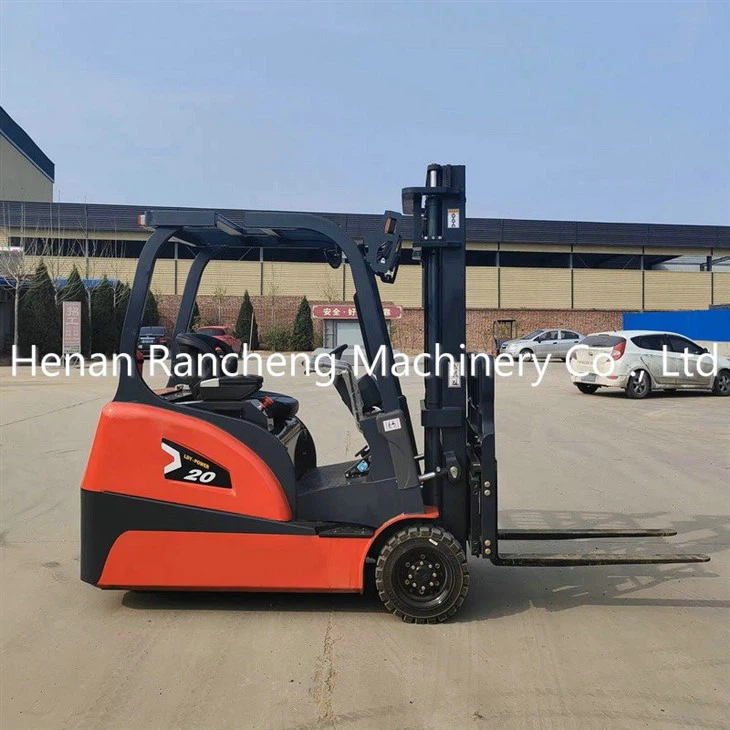
It's also worth considering how the 2.5t forklift compares with other models in terms of load - carrying on rough surfaces. Our 2T Forklift and 1.6T Forklift are also popular choices for different applications.
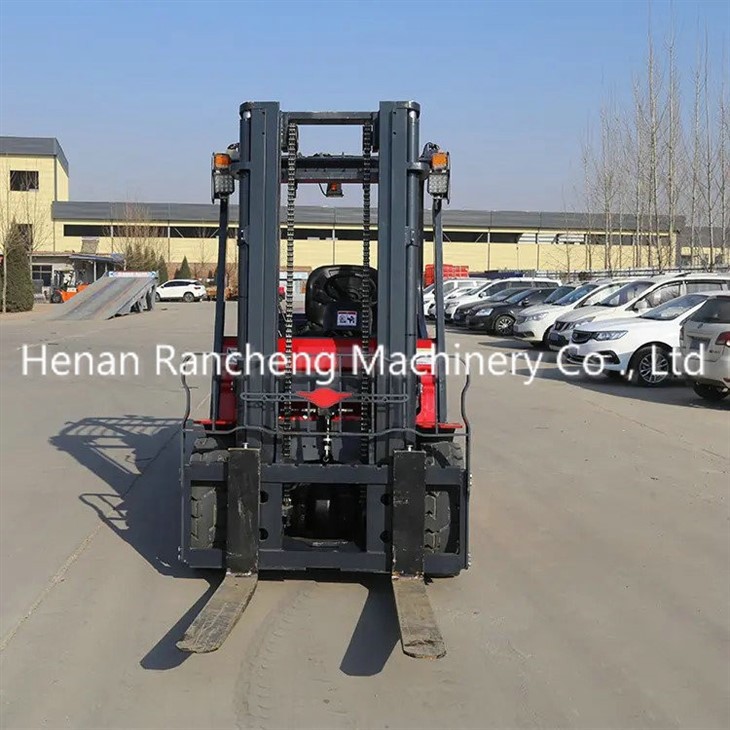
The 2t forklift, with a lower rated capacity, may be more suitable for lighter loads on rough surfaces. Its smaller size and lower weight can sometimes give it better maneuverability and stability on uneven ground. The 1.6t forklift is even more lightweight and can be a great option for very tight spaces or areas with extremely rough terrain.
On the other hand, our 2.5T Forklift offers a good balance between capacity and versatility. It can handle relatively heavier loads on moderately rough surfaces compared to the smaller models.
Factors to Consider When Operating a Forklift on a Rough Surface
In addition to reducing the load, there are other factors to keep in mind when operating a 2.5t forklift on a rough surface.
1. Speed
Reducing the speed of the forklift is essential. A slower speed allows the operator to better control the forklift and react to any unexpected changes in the surface. It also reduces the impact of bumps and vibrations on the forklift and the load.
2. Inspection
Before operating the forklift on a rough surface, a thorough inspection of the forklift is necessary. Check the tires for proper inflation and any signs of damage, the hydraulic system for leaks, and the brakes for proper functioning. Regular maintenance is also crucial to ensure the forklift is in good working condition.

3. Operator Training
Operators should be trained specifically for operating forklifts on rough surfaces. They need to understand the potential risks and how to adjust their driving techniques accordingly. This includes knowing how to approach slopes, potholes, and other obstacles safely.
Conclusion
In conclusion, the maximum load a 2.5t forklift can carry on a rough surface is significantly affected by stability, traction, and mechanical stress. While the rated capacity of the forklift is 2.5 tons under ideal conditions, on a rough surface, it is advisable to reduce the load by 10% - 20% or more, depending on the severity of the surface.
As a supplier of 2.5t forklifts, we are committed to providing high - quality equipment and expert advice to our customers. If you are considering purchasing a forklift for use on rough surfaces, or if you have any questions about load - carrying capacities, we are here to help. Contact us for more information and to start a procurement discussion.
References
- Forklift Safety Handbook, Occupational Safety and Health Administration (OSHA)
- Industrial Forklift Operations Manual, Various Forklift Manufacturers