

Hey there! If you're in the market for a small excavator, one of the burning questions on your mind is probably, "What is the lifting capacity of a small excavator?" As a small excavator supplier, I've got the lowdown on this topic, and I'm super excited to share it with you.
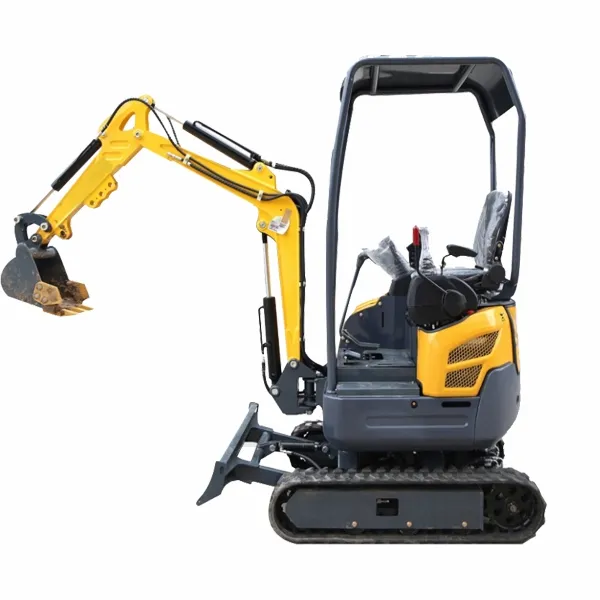

First things first, let's talk about what small excavators are all about. Small excavators, also known as mini - excavators, are the compact powerhouses of the construction world. They're designed to fit into tight spaces where larger machinery just won't fit, making them perfect for various jobs like landscaping, small building projects, and utility work. You can check out our range of Small Excavator on our website.
Now, when it comes to the lifting capacity of small excavators, it's not a one - size - fits - all answer. Several factors come into play that can affect how much weight these little beasts can handle.
Key Factors Affecting Lifting Capacity
Machine Size
The physical size of the small excavator is a major determinant. Generally speaking, larger small excavators have higher lifting capacities. As you move up in the size class of small excavators, the structural components are beefier, and the hydraulic systems are more powerful. For example, a 1 - ton mini - excavator might have a lifting capacity of around 500 - 800 kilograms, while a 3 - ton model could lift anywhere from 1500 - 2500 kilograms.
Boom and Arm Length
The length of the boom and arm also has a big impact. A shorter boom and arm setup usually allows for a greater lifting capacity at close range. That's because the weight of the load is closer to the excavator's center of gravity, reducing the leverage and stress on the machine. On the other hand, if you need to reach further with a longer boom and arm, the lifting capacity will take a hit. You're essentially asking the machine to support the load at a greater distance, which requires more force from the hydraulic cylinders.
Hydraulic System
The hydraulic system is the heart of an excavator's lifting power. A well - designed and high - pressure hydraulic system can generate more force to lift heavy loads. Some of the advanced small excavators come with variable - displacement hydraulic pumps that adjust the flow and pressure according to the load requirements, optimizing the lifting capacity. For instance, the Kubota Excavator is known for its efficient hydraulic systems, which contribute to its relatively high lifting capacities in its class.
Attachment
The attachment you're using on the excavator can change the lifting capacity. For example, if you're using a standard digging bucket, it has a different weight and center of gravity compared to a lifting hook or a fork attachment. Using a heavier attachment means the machine has less "room" to lift additional weight, so the overall lifting capacity decreases.
Common Lifting Capacities of Small Excavators
To give you a better idea, let's break down some common lifting capacities based on different size classes of small excavators:
Micro - Excavators (Less than 1 ton)
These are the tiniest of the small excavator family. They're extremely compact and lightweight, making them ideal for indoor work or very tight spaces. However, their lifting capacity is relatively limited. A typical micro - excavator might have a lifting capacity of around 300 - 600 kilograms. This is usually sufficient for tasks like moving small rocks, light construction materials, or small pieces of equipment.
Light - Duty Small Excavators (1 - 3 tons)
This size class is very popular and versatile. These excavators can handle a variety of tasks, from small residential construction to light commercial landscaping. Their lifting capacity ranges from approximately 800 - 2500 kilograms. Whether you need to lift building materials for a small shed or move a large tree root, these machines can usually get the job done. The Kubota Mini Excavator in this size class is a favorite among contractors for its reliable performance and decent lifting ability.
Medium - Duty Small Excavators (3 - 6 tons)
Moving up the scale, medium - duty small excavators offer even more muscle. With a lifting capacity that can go from 2500 - 4500 kilograms, you can tackle more demanding jobs such as lifting large pre - cast concrete elements or heavy machinery components. These excavators are often used in mid - size construction projects where a bit more power is required.
Importance of Understanding Lifting Capacity
You might be wondering why it's so important to know the lifting capacity of a small excavator. Well, there are several reasons.
Safety
First and foremost, safety is paramount. Overloading an excavator can lead to serious accidents. If the machine tries to lift a load that's beyond its capacity, it can tip over, which can endanger the operator and anyone in the vicinity. By understanding the lifting capacity and ensuring you stay within its limits, you're keeping everyone on the job site safe.
Efficiency
Using the right excavator with the appropriate lifting capacity for the job can greatly increase efficiency. If you use an excavator with too low a lifting capacity, you'll have to make multiple trips to move a large amount of material, which takes more time and fuel. On the other hand, using an excavator that's too powerful for the job is also wasteful, as you're using more resources than necessary.
Cost - Effectiveness
Making informed decisions about the lifting capacity can save you money in the long run. Renting or buying the right - sized excavator that can handle the job without over - or under - performing means you're getting the best value for your money. You're not paying for excess capacity that you don't need, and you're also avoiding costly accidents or delays caused by an underpowered machine.
How to Choose the Right Small Excavator Based on Lifting Capacity
When you're looking to buy or rent a small excavator, here are some steps to help you choose one with the right lifting capacity for your needs:
- Assess Your Jobsite Requirements: Think about the types of tasks you'll be doing, the weight of the materials you'll need to lift, and the working conditions. Make a list of the heaviest loads you anticipate moving.
- Research Different Models: Look at different manufacturers and models of small excavators. Check the specifications for lifting capacity, taking into account factors like boom length and hydraulic system. Online reviews and user testimonials can also give you an idea of how well a particular model performs in real - world situations.
- Consult an Expert: As a small excavator supplier, I'm always here to help. You can reach out and talk to me about your requirements. I can guide you through the different options and help you choose the best excavator for your specific needs.
Conclusion
In summary, the lifting capacity of a small excavator varies depending on factors like machine size, boom and arm length, hydraulic system, and attachment. Understanding these factors is crucial for ensuring safety, efficiency, and cost - effectiveness on the job site. Whether you're in the market for a Small Excavator, a Kubota Excavator, or a Kubota Mini Excavator, it's important to choose one with the right lifting capacity for your tasks.
If you're interested in purchasing a small excavator or have any questions about lifting capacity and choosing the right machine, don't hesitate to get in touch. I'm happy to assist you in making the best decision for your business.
References
"Construction Equipment Handbook", McGraw - Hill
"Mini - Excavator Operator's Manuals", Various Manufacturers