

Hey there! As a supplier of 1.2t forklifts, I often get asked about the exhaust emissions of these machines. So, I thought I'd take a moment to break it down for you.
Let's start with the basics. A 1.2t diesel forklift, like any diesel - powered vehicle, emits a variety of pollutants when it's running. Diesel engines work by compressing air in the cylinders and then injecting fuel into the highly compressed air, which ignites spontaneously. This combustion process is what powers the forklift, but it also produces exhaust emissions.
One of the main components of diesel exhaust is carbon monoxide (CO). CO is a colorless and odorless gas that's extremely dangerous. When you breathe it in, it can prevent your blood from carrying oxygen properly. In a confined space, like a warehouse, high levels of CO can quickly build up and pose a serious health risk to workers. Modern 1.2t diesel forklifts are designed with better combustion systems to reduce CO emissions, but it's still something to be aware of.
Another significant pollutant is nitrogen oxides (NOx). NOx is a group of gases that form when nitrogen in the air reacts with oxygen at high temperatures during the combustion process. These gases can cause respiratory problems, especially for people with pre - existing conditions like asthma. They also contribute to the formation of smog and acid rain. To combat this, many 1.2t diesel forklifts are now equipped with exhaust after - treatment systems, such as selective catalytic reduction (SCR) units, which convert NOx into less harmful nitrogen and water.
Particulate matter (PM) is also a major concern. PM consists of tiny solid and liquid particles suspended in the exhaust. These particles can be inhaled deep into the lungs and cause a range of health issues, including lung cancer, heart disease, and respiratory infections. Diesel particulate filters (DPFs) are commonly used in 1.2t diesel forklifts to trap and remove a large portion of these particles from the exhaust. The DPF needs to be periodically regenerated to burn off the trapped particles and keep it working effectively.
Sulfur dioxide (SO₂) is another emission from diesel engines. It's produced when the sulfur in the diesel fuel burns. SO₂ can cause respiratory irritation and is also a contributor to acid rain. Low - sulfur diesel fuels are now widely available, which helps to reduce SO₂ emissions from 1.2t diesel forklifts.
Now, let's talk about how these emissions compare to other types of forklifts. Electric forklifts, for example, produce zero tailpipe emissions. They're a great option for indoor use where air quality is a top priority. However, they have limitations in terms of power and operating time compared to diesel forklifts. On the other hand, propane - powered forklifts generally produce fewer emissions than diesel forklifts, especially in terms of NOx and PM. But they still emit some pollutants.
As a supplier, we're constantly looking for ways to improve the environmental performance of our 1.2t diesel forklifts. We work with manufacturers to ensure that our forklifts meet the latest emission standards. These standards are set by regulatory bodies to protect the environment and public health. For example, in the United States, the Environmental Protection Agency (EPA) has strict regulations regarding diesel engine emissions.
When it comes to choosing a forklift, it's important to consider the application. If you're using the forklift outdoors in a well - ventilated area, a 1.2t diesel forklift might be a good choice. Its power and durability make it suitable for heavy - duty tasks. But if you're working indoors, you might want to consider an electric or propane - powered forklift to minimize the impact on air quality.
We also offer a range of other forklift models, such as the 2T Forklift, the 2.6T Forklift, and the 5T Forklift. Each of these models has its own unique features and emission profiles. Whether you need a small, nimble forklift for light - duty work or a heavy - duty machine for large - scale operations, we've got you covered.

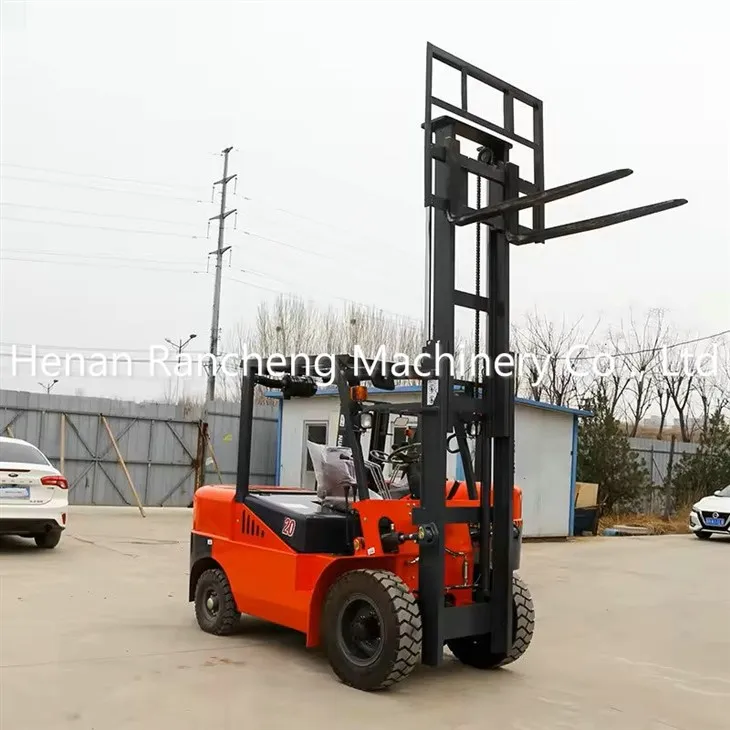
If you're in the market for a forklift, it's crucial to do your research. Look at the emission ratings of different models, and consider how they'll fit into your work environment. You should also think about the long - term costs, including fuel and maintenance. Diesel forklifts, while powerful, can be more expensive to operate in terms of fuel and emission - control system maintenance.
We understand that choosing the right forklift is a big decision. That's why our team is always here to help. We can provide you with detailed information about the exhaust emissions of our 1.2t diesel forklifts, as well as our other models. We can also offer advice on which forklift is the best fit for your specific needs.
If you're interested in learning more about our forklifts or have any questions about exhaust emissions, don't hesitate to reach out. We're eager to start a conversation and help you find the perfect forklift for your business. Whether you're a small warehouse owner or part of a large industrial operation, we're committed to providing you with high - quality forklifts that meet your requirements and environmental standards.
So, if you're ready to take the next step in your forklift purchase, contact us today. Let's work together to find the right solution for your material - handling needs.
References:
- Environmental Protection Agency (EPA) - Diesel Emission Standards
- Society of Automotive Engineers (SAE) - Research on Diesel Engine Emissions
- Forklift Industry Magazines and Journals