

Vibration in a 2.5t forklift during operation can be a significant concern. It not only affects the comfort of the operator but also has implications for the safety, efficiency, and longevity of the forklift. As a 2.5t forklift supplier, I have witnessed firsthand the negative impacts of excessive vibration and have also developed effective strategies to reduce it. In this blog, I will share some key methods to address this issue.
Understanding the Causes of Vibration
Before delving into the solutions, it is crucial to understand the root causes of vibration in a 2.5t forklift. There are several factors that can contribute to this problem.
Engine - Related Issues
The engine is the heart of the forklift, and any issues with it can lead to vibration. For example, misfiring cylinders can cause uneven power delivery, resulting in vibrations. A dirty or clogged fuel injector can also disrupt the smooth operation of the engine. Additionally, worn - out engine mounts can fail to isolate the engine vibrations from the rest of the forklift structure, allowing the vibrations to transfer more easily.
Tire and Wheel Problems
Tires play a vital role in the stability of the forklift. Uneven tire wear can cause the forklift to vibrate as it moves. If the tires are not properly inflated, it can also lead to an imbalance and subsequent vibration. Moreover, damaged wheels or loose wheel nuts can create an unstable rolling surface, which in turn causes the forklift to shake.
Fork and Mast Issues
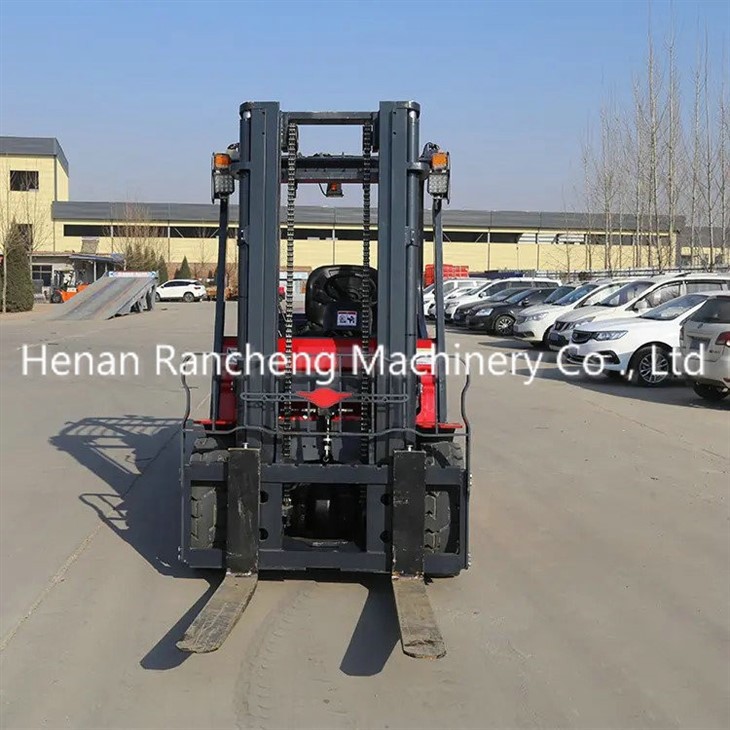
The fork and mast assembly is another area where problems can occur. A bent or misaligned fork can cause the load to be unevenly distributed, leading to vibrations during lifting and moving operations. Worn - out mast rollers or chains can also contribute to the problem, as they may not provide smooth movement of the mast.

Transmission and Drivetrain Problems
Problems within the transmission and drivetrain can cause significant vibrations. Worn - out gears, a malfunctioning clutch, or a damaged driveshaft can all lead to uneven power transmission and vibration.
Strategies to Reduce Vibration
Engine Maintenance
Regular engine maintenance is essential to reduce vibration. This includes changing the spark plugs at the recommended intervals to ensure proper ignition. Cleaning or replacing the fuel injectors can also improve the fuel delivery and engine performance. It is also important to check and replace the engine mounts if they show signs of wear. By maintaining the engine in good condition, we can minimize the vibrations caused by engine - related issues.
Tire and Wheel Care
Proper tire maintenance is a simple yet effective way to reduce vibration. Regularly check the tire pressure and ensure it is within the recommended range. Rotate the tires at regular intervals to promote even wear. Inspect the wheels for any damage and tighten the wheel nuts to the correct torque. If the tires are excessively worn, replace them promptly. This will help to maintain a stable rolling surface and reduce vibrations.
Fork and Mast Inspection and Repair
Regularly inspect the fork and mast assembly for any signs of damage or misalignment. If the fork is bent, it should be replaced or straightened by a professional. Lubricate the mast rollers and chains to ensure smooth movement. Check the tension of the chains and adjust them if necessary. By keeping the fork and mast in good working condition, we can prevent vibrations caused by uneven load distribution and rough movement.
Transmission and Drivetrain Servicing
Schedule regular servicing of the transmission and drivetrain. This includes changing the transmission fluid at the recommended intervals to ensure smooth gear shifting. Inspect the gears, clutch, and driveshaft for any signs of wear or damage. Replace any worn - out components promptly. Proper maintenance of the transmission and drivetrain can significantly reduce vibrations caused by power transmission issues.
Additional Measures
Anti - Vibration Mounts
Installing anti - vibration mounts in key areas of the forklift can help to isolate vibrations. These mounts are designed to absorb and dampen the vibrations, preventing them from spreading throughout the forklift. They can be installed on the engine, the cab, and other components to reduce the overall vibration level.
Operator Training
Proper operator training is also important in reducing vibration. Train operators to drive the forklift smoothly, avoiding sudden starts, stops, and turns. Instruct them to handle the load carefully and ensure it is properly centered on the fork. By operating the forklift in a smooth and controlled manner, the vibrations can be minimized.
The Benefits of Reducing Vibration
Reducing the vibration of a 2.5t forklift offers several benefits. Firstly, it improves the comfort of the operator. A less - vibrating forklift is easier to operate, reducing operator fatigue and increasing productivity. Secondly, it enhances the safety of the forklift. Excessive vibration can cause components to loosen or fail, increasing the risk of accidents. By reducing vibration, we can improve the overall reliability and safety of the forklift. Thirdly, it extends the lifespan of the forklift. Less vibration means less wear and tear on the components, reducing the frequency of repairs and replacements.
Our Product Range
As a 2.5t forklift supplier, we not only focus on reducing vibration but also offer a wide range of forklifts to meet different customer needs. In addition to our 2.5t forklifts, we also provide 1.2T Forklift, 1.6T Forklift, and 5T Forklift. Each of these forklifts is designed with advanced technology and high - quality components to ensure smooth operation and minimal vibration.
Contact Us for Purchase and Consultation
If you are interested in our forklifts or have any questions about reducing vibration in forklifts, we welcome you to contact us. Our team of experts is ready to provide you with detailed information and guidance. Whether you need a 2.5t forklift or one of our other models, we can offer you the best solutions to meet your requirements.
References
- "Forklift Maintenance Handbook" - A comprehensive guide on forklift maintenance, including sections on vibration reduction.
- Industry research reports on forklift performance and reliability, which provide insights into the causes and solutions of vibration problems.
- Manufacturer's manuals for forklift engines, transmissions, and other components, which offer specific maintenance instructions to reduce vibration.