

As a supplier of micro excavators, I understand the importance of maintaining these powerful machines to ensure their optimal performance and longevity. One of the critical components that require regular inspection is the hydraulic cylinders. In this blog post, I'll share some valuable insights on how to check the hydraulic cylinders of a micro excavator.
1. Pre - inspection Preparations
Before you start checking the hydraulic cylinders, it's essential to take some safety precautions. First, park the micro excavator on a flat and stable surface. Engage the parking brake and turn off the engine. This will prevent any accidental movement of the machine during the inspection.
Next, gather the necessary tools. You'll need a clean cloth, a measuring tape, a pressure gauge (if you plan to check the hydraulic pressure), and a flashlight to inspect hard - to - reach areas.
2. External Visual Inspection
The first step in checking the hydraulic cylinders is to conduct a thorough external visual inspection.
Cylinder Body
- Look for any signs of physical damage such as dents, scratches, or cracks on the cylinder body. Even small scratches can allow dirt and debris to enter the cylinder, which can cause internal damage over time. For example, if you notice a deep scratch on the cylinder wall, it may lead to leakage of hydraulic fluid and reduced cylinder performance.
- Check for any signs of corrosion. Corrosion can weaken the cylinder body and may eventually lead to a failure. If you find areas of corrosion, you may need to clean and treat them to prevent further damage.
Seals and Gaskets
- Inspect the seals and gaskets around the cylinder. Look for any signs of leakage, such as oil stains or wet spots. Leaking seals can cause a loss of hydraulic pressure, which will affect the performance of the cylinder. If you see a small amount of oil seeping from a seal, it may be a sign that the seal is starting to wear out and needs to be replaced.
- Check for any signs of damage or wear on the seals. The seals should be in good condition, without any cuts, tears, or deformation. Damaged seals can allow dirt and air to enter the cylinder, which can cause problems such as cavitation and reduced efficiency.
Rod
- Examine the piston rod. It should be straight and free of any bends or damage. A bent rod can cause uneven wear on the seals and may lead to leakage. Use a straightedge to check the straightness of the rod if necessary.
- Look for any signs of scoring or wear on the rod surface. Scoring can occur due to the presence of dirt or debris in the hydraulic system. If you find scoring on the rod, it may be necessary to replace the rod or have it re - machined.
3. Check the Hydraulic Fluid Level and Quality
The hydraulic fluid in the cylinders plays a crucial role in their operation.
Fluid Level
- Locate the hydraulic fluid reservoir. It is usually marked clearly on the micro excavator. Check the fluid level using the dipstick or sight glass provided. The fluid level should be within the recommended range. If the fluid level is low, it may indicate a leak in the system, either from the cylinders or other hydraulic components.
- If the fluid level is low, add the appropriate type of hydraulic fluid as recommended by the manufacturer. Make sure to use clean fluid to avoid introducing contaminants into the system.
Fluid Quality
- Take a sample of the hydraulic fluid and examine its color and consistency. Fresh hydraulic fluid is usually clear and has a light color. If the fluid appears dark, cloudy, or has a burnt smell, it may be contaminated or over - heated. Contaminated fluid can cause damage to the hydraulic cylinders and other components in the system.
- You can also use a fluid analysis kit to check for the presence of contaminants such as dirt, metal particles, or water in the fluid. If the fluid analysis shows high levels of contaminants, it is recommended to drain and replace the fluid and clean the hydraulic system.
4. Check the Hydraulic Pressure
Checking the hydraulic pressure is an important step in ensuring the proper functioning of the hydraulic cylinders.
Pressure Gauge Installation
- Connect a pressure gauge to the appropriate test port on the hydraulic system. Make sure the connection is secure to prevent any leakage. The test port is usually located near the cylinder or on the hydraulic valve block.
- Refer to the micro excavator's manual to determine the correct pressure range for the hydraulic cylinders. Different models of micro excavators may have different pressure requirements.
Pressure Testing
- Start the engine and operate the hydraulic cylinders through their full range of motion. Observe the pressure gauge readings. The pressure should remain within the specified range during normal operation. If the pressure is too low, it may indicate a problem such as a leak, a worn - out pump, or a faulty valve. If the pressure is too high, it can cause excessive stress on the cylinders and other components, leading to premature failure.
5. Functional Test
After completing the visual and pressure checks, perform a functional test of the hydraulic cylinders.
Cylinder Movement
- Operate the micro excavator's controls to extend and retract the hydraulic cylinders. The movement should be smooth and free of any jerks or hesitations. If you notice any abnormal movement, such as a cylinder sticking or moving unevenly, it may indicate a problem with the cylinder, the hydraulic system, or the control valves.
- Check the speed of the cylinder movement. It should be consistent with the manufacturer's specifications. A slow - moving cylinder may be due to a loss of hydraulic pressure, a clogged filter, or a problem with the pump.
Load - Testing
- If possible, perform a load - test on the hydraulic cylinders. Apply a known load to the cylinder and observe its performance. The cylinder should be able to handle the load without any signs of excessive stress or failure. For example, if you are testing the boom cylinder, you can attach a weight to the end of the boom and check if the cylinder can lift and hold the weight steadily.
Conclusion
Regularly checking the hydraulic cylinders of a micro excavator is essential for maintaining its performance and reliability. By following the steps outlined in this blog post, you can identify and address potential problems early, which can save you time and money in the long run.

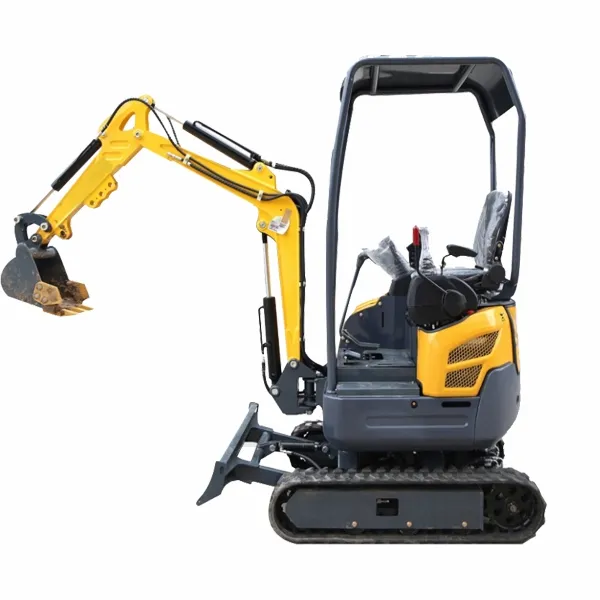
If you are in the market for a high - quality micro excavator or need more information about hydraulic cylinder maintenance, we are here to help. Our company offers a wide range of Micro Excavator, including Kubota Mini Excavator and Kubota Excavator. Contact us today to discuss your requirements and start the procurement process.
References
- Manufacturer's manuals of micro excavators
- Hydraulic system design and maintenance textbooks
- Industry standards and guidelines for hydraulic equipment maintenance