

Balancing the load on a 2t forklift is crucial for safe and efficient operation. As a 2t forklift supplier, I've seen firsthand how improper load balancing can lead to accidents, equipment damage, and reduced productivity. In this blog, I'll share some tips on how to balance the load on a 2t forklift properly.
First off, it's important to understand the forklift's capacity. A 2t forklift, like the one you can check out 2T Forklift, is designed to handle a maximum load of 2 tons. But that doesn't mean you should always load it up to the limit. You need to consider the weight distribution of the load as well.
When you're loading the forklift, make sure the load is centered over the forks. The center of gravity of the load should align with the center of the forks. This helps to keep the forklift stable and prevents it from tipping over. If the load is off - center, it can create an uneven distribution of weight, which puts extra stress on one side of the forklift.
Let's say you're lifting a pallet of boxes. If the boxes are stacked more on one side of the pallet, you should try to redistribute them so that the weight is evenly spread. If that's not possible, you can adjust the position of the forks on the pallet to get a better balance.
Another thing to consider is the height at which you're lifting the load. The higher the load is lifted, the more unstable the forklift becomes. This is because the center of gravity of the combined forklift - load system rises. When you're lifting a heavy load, try to keep it as low as possible, especially when moving. If you need to lift the load to a high position, do it slowly and carefully.
Also, the type of load matters. Different materials have different weight distributions. For example, a load of liquid in drums may shift as the forklift moves, which can change the balance. In such cases, you need to be extra cautious. You might want to secure the drums properly to prevent them from moving around.
The condition of the forklift itself is also important. A well - maintained forklift is more likely to handle loads safely. Make sure the tires are properly inflated, the brakes are working well, and all the hydraulic systems are in good condition. If the forklift is not in good shape, it can affect its ability to balance the load.
Now, let's talk about some practical steps for load balancing. Before you start lifting, take a good look at the load. Assess its weight, size, and shape. If you're unsure about the weight, you can use a weighing scale or refer to the product specifications.
When you're inserting the forks into the pallet or load, make sure they go in all the way. The forks should be fully under the load to provide maximum support. If the forks are only partially inserted, the load may shift or fall off.
Once the load is on the forks, double - check the balance. You can do this by gently tilting the mast forward and backward slightly. If the load seems stable and doesn't show any signs of shifting, you're good to go.
During operation, be aware of your surroundings. Avoid sudden starts, stops, and turns. These actions can cause the load to shift and throw off the balance. If you need to turn, do it slowly and smoothly.

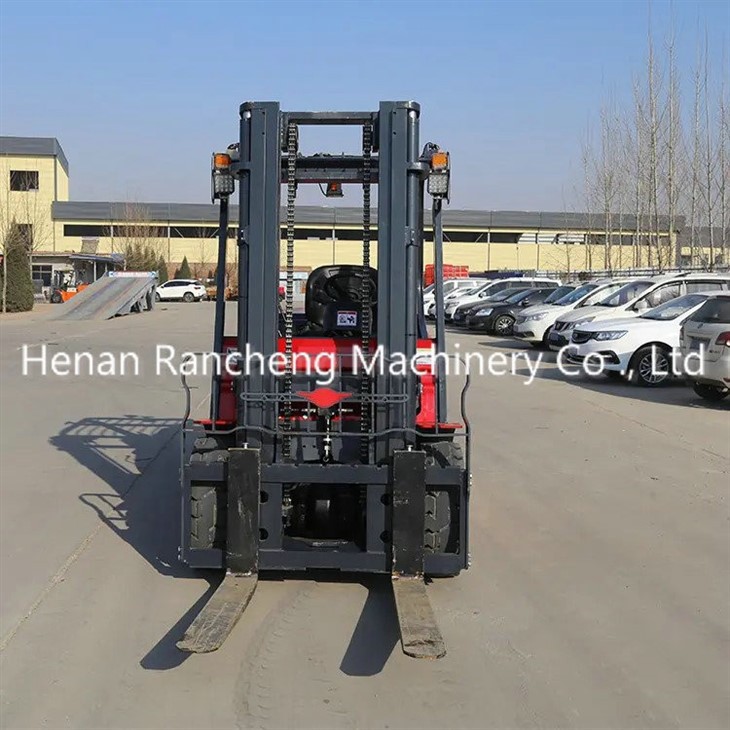
It's also a good idea to train your operators on load - balancing techniques. A trained operator is more likely to handle the forklift safely and efficiently. Provide them with regular safety training sessions and refresher courses.
Comparing with other forklifts, like the 1.6T Forklift and 5T Forklift, the 2t forklift has its own unique characteristics in terms of load - balancing. The 1.6t forklift is smaller and may be more maneuverable but has a lower capacity. The 5t forklift can handle heavier loads but may require more careful load - balancing due to its larger size and higher capacity.
In conclusion, balancing the load on a 2t forklift is a combination of understanding the forklift's capacity, proper load distribution, and careful operation. By following these tips, you can ensure the safety of your operators, protect your equipment, and improve productivity.
If you're in the market for a 2t forklift or need more advice on load - balancing, feel free to reach out. We're here to help you make the right choice and ensure that you can operate your forklift safely and efficiently.
References
- Forklift Operator's Manuals
- Industry safety guidelines on forklift operations