

As a supplier of 1.2t forklifts, I often get asked whether a 1.2t forklift can be used in a furniture factory. This is a valid question, considering the unique requirements of furniture manufacturing and warehousing. In this blog post, I'll delve into the suitability of a 1.2t forklift for furniture factories, exploring its capabilities, limitations, and how it compares to other forklift options.
Understanding the Furniture Factory Environment
Furniture factories are dynamic workplaces with a variety of tasks, from moving raw materials like wood, foam, and fabric to transporting finished furniture pieces. The weight and size of items can vary significantly, from small wooden components to large, bulky sofas or dining sets. Additionally, the layout of furniture factories often includes narrow aisles, tight corners, and areas with limited space for maneuvering.
Advantages of Using a 1.2t Forklift in a Furniture Factory
Maneuverability
One of the primary advantages of a 1.2t forklift is its excellent maneuverability. With a relatively compact size, it can easily navigate through narrow aisles and tight spaces commonly found in furniture factories. This allows for efficient movement of materials and products within the facility, reducing the risk of collisions and damage to furniture.
Cost-Effectiveness
A 1.2t forklift is generally more affordable than larger capacity forklifts. It has lower upfront costs, requires less maintenance, and consumes less fuel or electricity. For small to medium-sized furniture factories with budget constraints, a 1.2t forklift can be a cost-effective solution for material handling needs.
Versatility
1.2t forklifts can handle a wide range of loads within their capacity. They can be used to move various furniture components, such as wooden frames, cushions, and packaging materials. Additionally, some 1.2t forklifts come with adjustable forks and attachments, allowing for greater flexibility in handling different types of furniture.
Limitations of a 1.2t Forklift in a Furniture Factory
Load Capacity
The most obvious limitation of a 1.2t forklift is its load capacity. While it can handle many furniture items, it may not be suitable for extremely heavy or large pieces. For example, a large, solid wood dining table or a heavy sectional sofa may exceed the 1.2t capacity, making it necessary to use a larger forklift.
Lifting Height
Some furniture factories may require forklifts to lift items to higher shelves or mezzanines. A 1.2t forklift may have a limited lifting height compared to larger forklifts, which could restrict its use in certain areas of the factory.

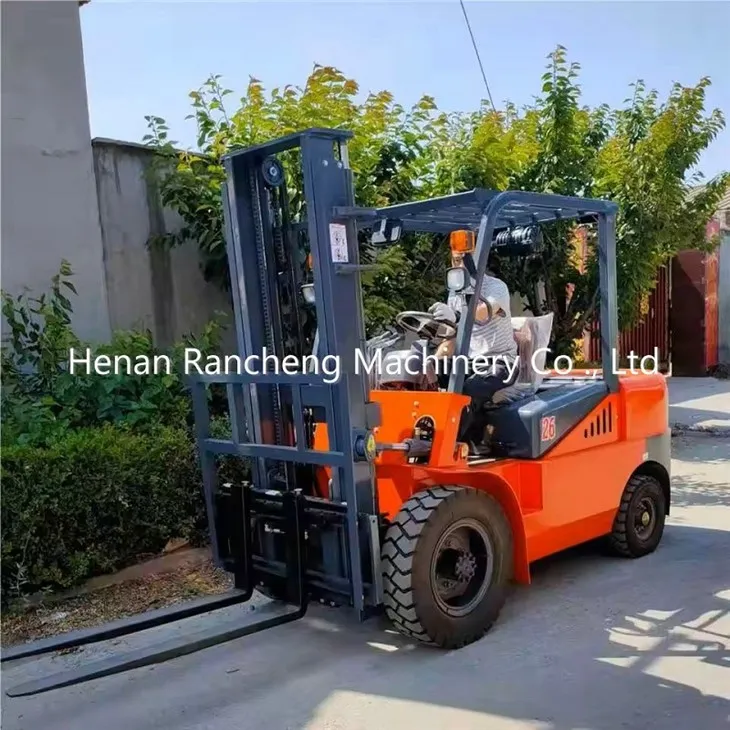
Comparing 1.2t Forklifts with Other Forklift Options
5T Forklift
A 5T Forklift offers significantly higher load capacity than a 1.2t forklift. It is suitable for handling very heavy furniture items or large batches of materials. However, it is also larger and less maneuverable, which may be a drawback in a furniture factory with limited space. Additionally, a 5t forklift is more expensive to purchase and operate.
2.6T Forklift
A 2.6T Forklift strikes a balance between load capacity and maneuverability. It can handle heavier loads than a 1.2t forklift while still being relatively easy to maneuver in a furniture factory. However, it is also more expensive than a 1.2t forklift and may not be necessary for factories that mainly deal with lighter furniture items.
Factors to Consider When Choosing a Forklift for a Furniture Factory
Load Requirements
Assess the weight and size of the furniture items and materials that need to be moved. If the majority of the loads are within the 1.2t capacity, a 1.2t forklift may be sufficient. However, if there are occasional heavy or large items, it may be necessary to consider a larger forklift or a combination of forklifts.
Space Constraints
Take into account the layout of the furniture factory, including aisle widths, turning radii, and ceiling heights. A forklift that can easily navigate through the available space will improve efficiency and reduce the risk of accidents.
Budget
Determine your budget for purchasing and operating a forklift. Consider the upfront costs, maintenance expenses, and fuel or electricity consumption. A 1.2t forklift is generally more cost-effective, but it's important to ensure that it meets your operational needs.
Conclusion
In conclusion, a 1.2t forklift can be a suitable option for many furniture factories, especially those with smaller to medium-sized furniture items and limited space. Its maneuverability, cost-effectiveness, and versatility make it a practical choice for efficient material handling. However, it's important to carefully assess your load requirements, space constraints, and budget before making a decision. If you have any specific questions or need further advice on choosing the right forklift for your furniture factory, feel free to reach out to us. We're here to help you make an informed decision and find the best 1.2T Forklift solution for your business.
References
- "Forklift Safety and Operation Guide" - Occupational Safety and Health Administration (OSHA)
- "Material Handling Equipment Handbook" - Industrial Press Inc.