Forklifts are essential equipment in modern factories and warehouses. They help us move materials efficiently, improve productivity, and ensure safety in our operations. In this article, we share why forklifts are important, the types we use, and how we select the right forklift for our business needs.
Why Forklifts Are Important
Forklifts are heavy-duty machines designed for lifting, stacking, and transporting materials. They typically consist of forks, a driving system, and an operator platform, allowing us to maneuver in tight spaces while carrying heavy loads.
Using forklifts helps us:
Increase Efficiency: Forklifts move goods quickly, saving labor costs and time. They allow us to complete large volumes of work in a short period, boosting warehouse and factory productivity.
Ensure Safety: By reducing manual lifting, forklifts lower the risk of workplace injuries. Properly designed equipment and operational procedures further minimize accidents.
Forklifts also represent a cost-effective investment. They reduce labor costs, save time, and require relatively low maintenance, making them suitable for long-term operations.
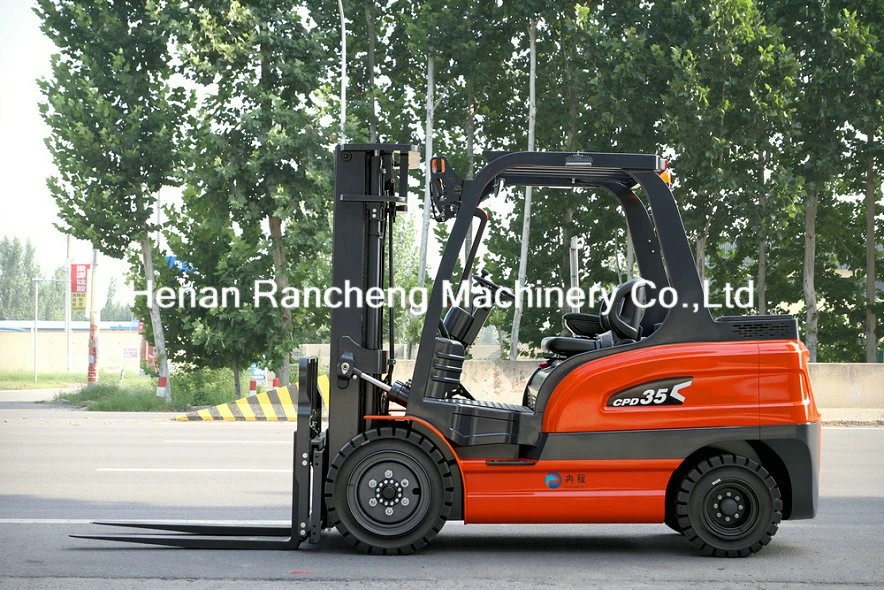
What Are the Different Types of Forklifts?
In our operations, different forklifts serve different purposes. We typically use the following types, depending on the work environment, material size, and task requirements:
1. Warehouse Forklifts
Designed for indoor use on smooth surfaces and narrow aisles. Ideal for pallet handling, loading, and warehouse-to-warehouse transport.
2. Side Loader Forklifts
Handle long or bulky materials that traditional forklifts cannot easily lift. Common in manufacturing, timber, and steel industries.
3. Counterbalance Forklifts
With front forks and rear counterweights, they distribute load evenly. Suitable for warehouses, factories, and docks due to their versatility.
4. Stand-Up Forklifts
Optimized for fast-paced environments where operators frequently enter and exit the vehicle. Improve visibility and maneuverability in narrow aisles.
5. Reach Trucks (Sit-Down)
Extendable forks allow lifting forward and upward, perfect for high racks or overcoming obstacles. Used in construction, agriculture, and outdoor environments.
6. Heavy-Duty Forklifts
Built for extreme lifting capacities with reinforced frames and high-powered hydraulics. Essential for ports, mining, and large-scale manufacturing.
7. Rough Terrain Forklifts
Equipped with heavy-duty tires and suspension, these forklifts can operate on uneven or rugged surfaces. Ideal for construction sites, farms, and lumber yards.
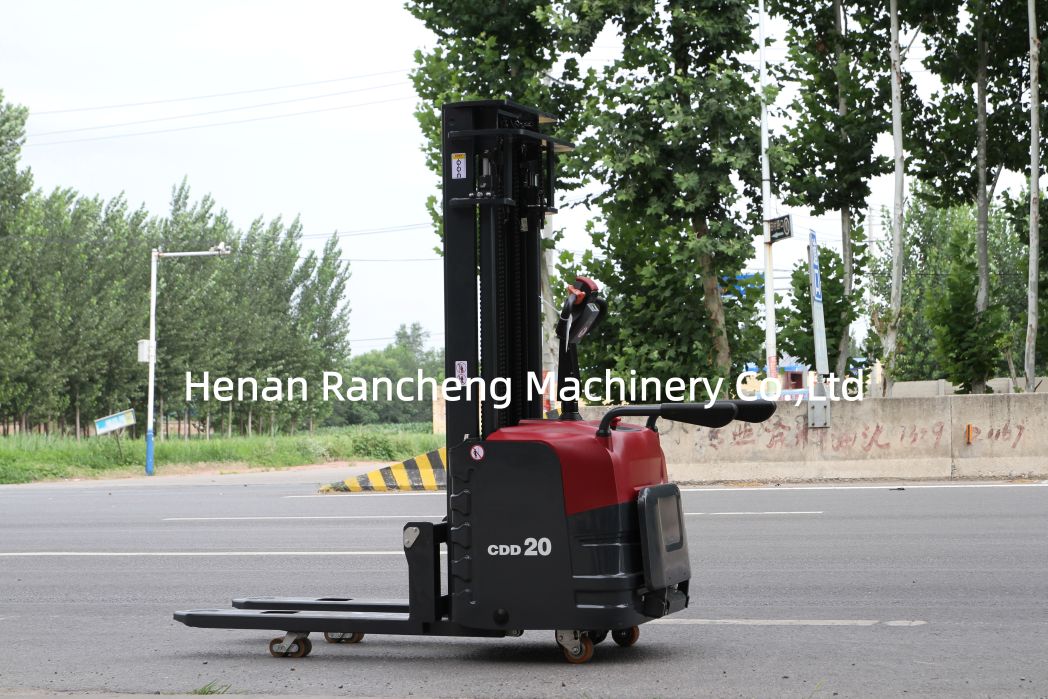
8. Pallet Jacks
Compact and cost-effective for short-distance pallet transport. Common in retail, small warehouses, and delivery trucks.
9. Walkie Stackers
Higher lift height than pallet jacks and easy to operate in tight spaces. Suitable for light warehouses with vertical storage needs.
10. Order Pickers
Designed for picking individual items from shelves. Operators are lifted to shelf height for increased accuracy and efficiency. Perfect for e-commerce fulfillment centers.
11. Turret/Very Narrow Aisle Trucks
Allow high stacking in narrow warehouse aisles. Operators can extend forks without moving the base, maximizing vertical storage.
12. Electric Forklifts
Battery-powered, quiet, and low-maintenance. Ideal for indoor environments with strict air quality or noise requirements, such as food processing and pharmaceuticals.
How We Choose the Right Forklift
Selecting the right forklift involves more than just lifting capacity. We consider:
- Work Environment: Indoor operations typically require electric or warehouse forklifts, while outdoor or uneven terrain demands rough terrain models.
- Load Size and Weight: Long or heavy items need side loaders or reach trucks, while standard pallets can use counterbalance or turret forklifts.
- Lift Height Requirements: Consider warehouse racks or lifting platforms to choose the appropriate model.
- Fuel Type and Operating Costs: Electric forklifts are clean and quiet, while diesel or LPG offer power and versatility.
- Usage Frequency: High-volume operations may require automated-ready or high-efficiency models.
By evaluating these factors, we ensure that our forklifts improve safety, boost productivity, and optimize total cost of ownership. Choosing the right forklift is a strategic investment in our operational performance.
Forklifts are indispensable in modern warehouse and factory operations. Selecting the right forklift allows us to work efficiently, safely, and cost-effectively. By choosing equipment that meets our environment, load, and operational requirements, we are ready to take our warehouse and factory productivity to the next level.
To ensure reliable performance and long-term value, partnering with a trusted manufacturer is equally important. Rancheng Group offers a comprehensive range of electric forklifts designed for durability, energy efficiency, and stable lifting performance. With strict quality control, customizable configurations, and professional after-sales support, Rancheng forklifts provide dependable solutions for warehouses, factories, logistics centers, and industrial facilities worldwide.
Choose Rancheng Group forklifts to power your operations with efficiency, safety, and confidence.